จัดฟันในช่วงอายุที่เหมาะสม ได้ผลลัพท์ที่ดี (รีวิวเคส)
การจัดฟันในช่วงที่ขากรรไกรกำลังเจริญเติบโตอยู่นั้น ส่งผลต่อความสำเร็จในการจัดฟันที่ดี โดยเฉพาะในช่วงอายุ 14-15 ปี ที่ขากรรไกรอยู่ในช่วงที่กำลังมีการเจริญเติบโตตามปกติของร่างกาย และมีรากฟันแท้ที่เจริญเต็มที่แล้ว
จากตัวอย่างเคสนี้ เป็นเคสของคุณหมอกอล์ฟ คนไข้รายนี้จัดฟันตั้งแต่ อายุประมาณ 13 ปี เนื่องจากตรวจพบลักษณะการสบฟันที่ ผิดปกติอย่างมาก โดยเมื่อสบฟัน ฟันหลังชนกันเพียงด้านละคู่ ส่วนซี่อื่นๆเป็นลักษณะของการสบฟันแบบเปิด และมีฟันหน้าที่ซ้อนเก ลักษณะเช่นนี้ มีแนวโน้มที่จะเกิดการสบฟันแบบฟันล่างคร่อมฟันบนในอนาคตได้ เมื่อพิจารณาร่วมกับภาพถ่ายรังสีกะโหลกศีรษะ และอายุของคนไข้ จึงวางแผนรักษาด้วยการจัดฟัน
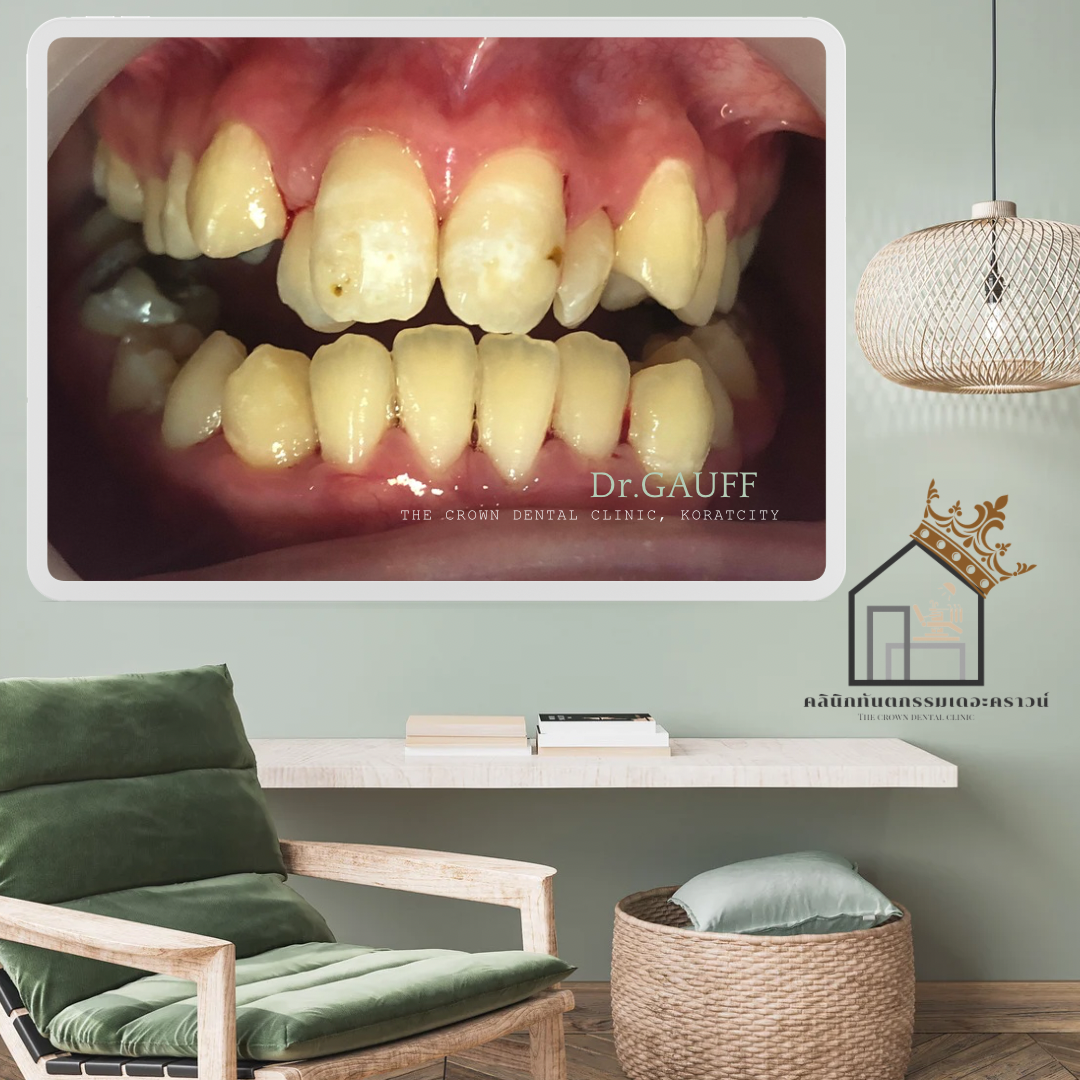
เนื่องจากลักษณะการสบฟันดังกล่าวเกิดจาก ขากรรไกรบนที่ค่อนข้างแคบกว่าขากรรไกรล่าง จึงวางแผนขยายขากรรไกรบน ร่วมกับการแก้ไขฟันหน้าบนที่ซ้อนเก
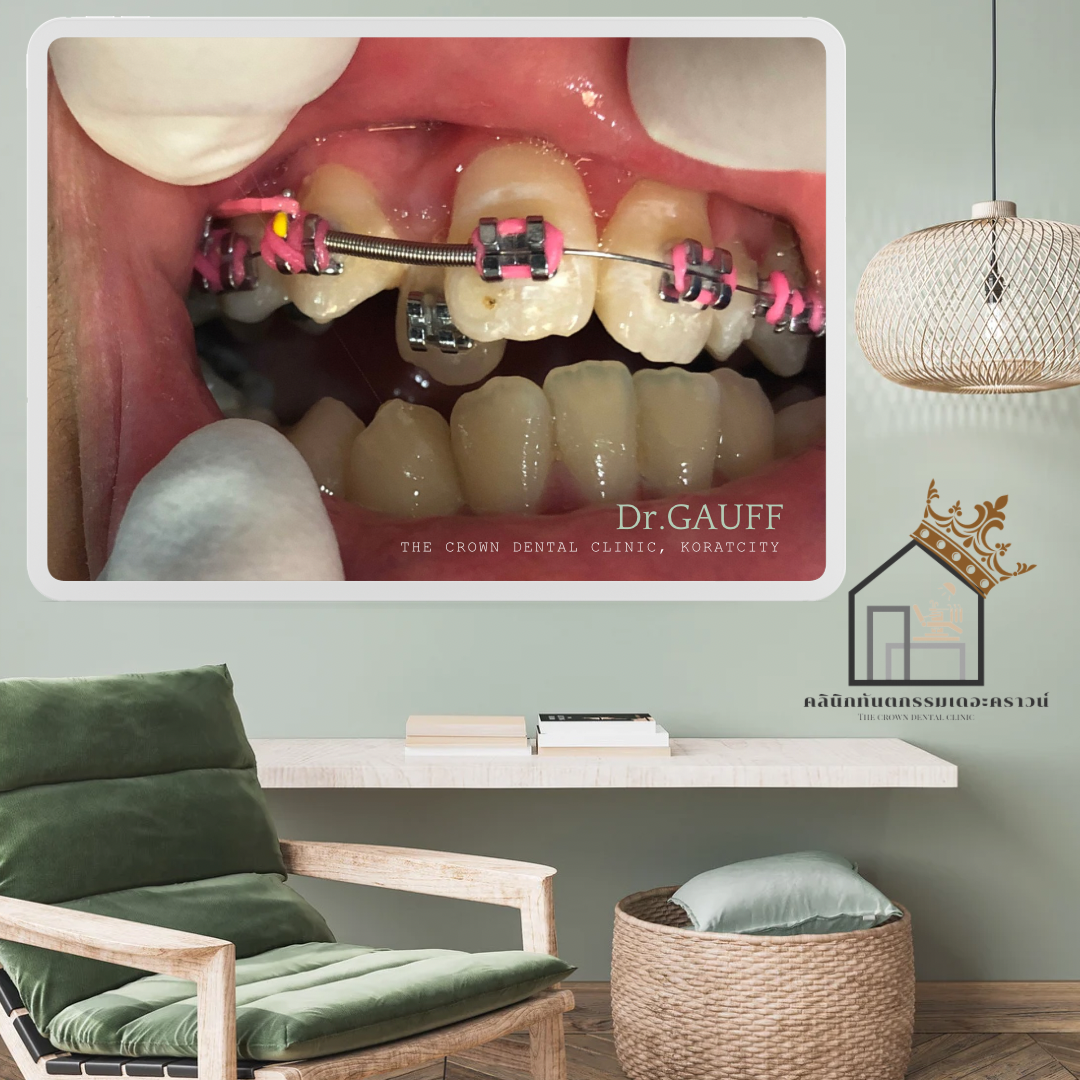
เมื่อการรักษาเฟสแรกสิ้นสุดลง สามารถที่จะเรียงฟันหน้าบนให้เข้า ตำแหน่งที่เหมาะสม แต่การสบฟันหลังยังคงเป็นลักษณะสบฟันแบบเปิดอยู่ ซึ่งต้องทำการแก้ไขฟันล่างต่อในเฟสที่ 2
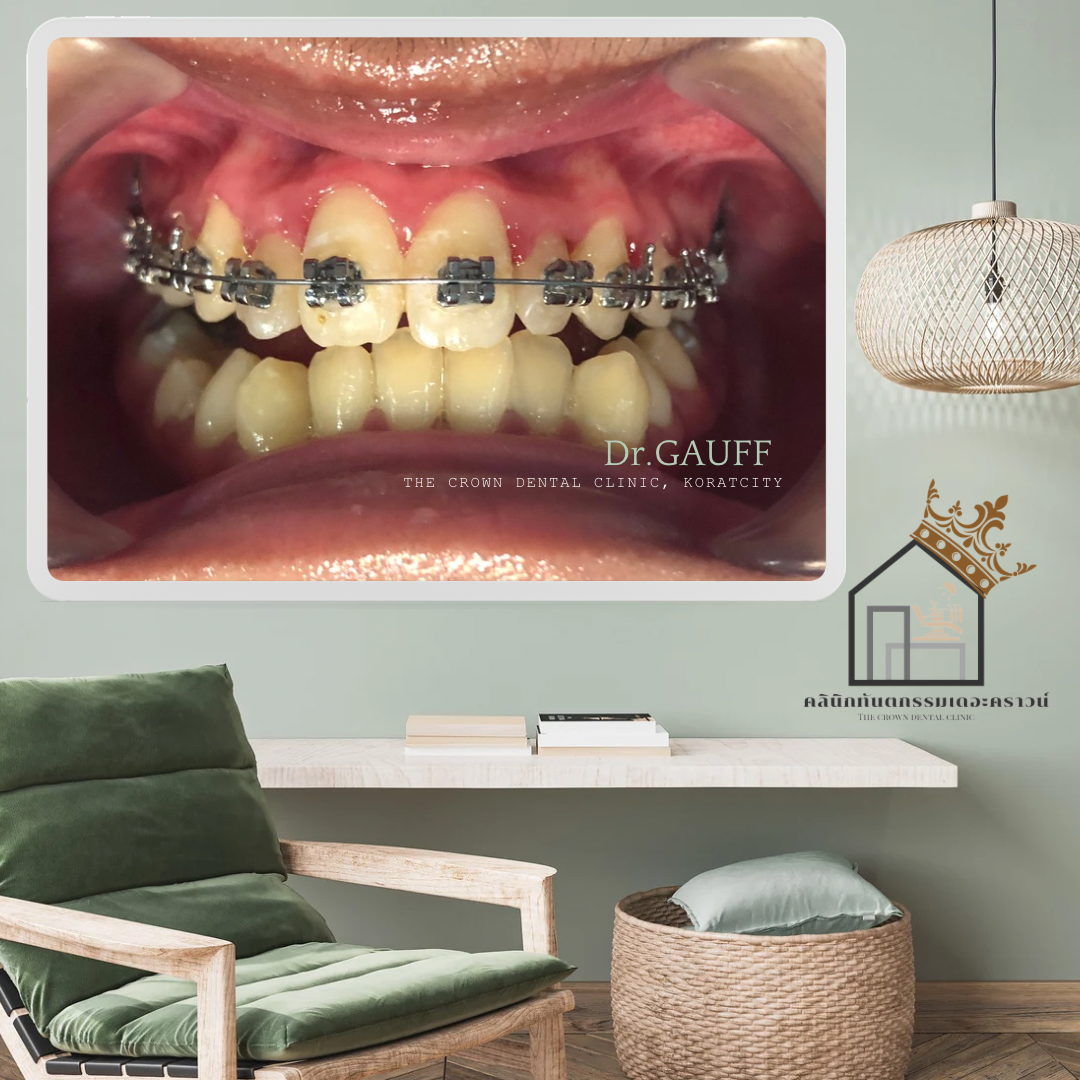
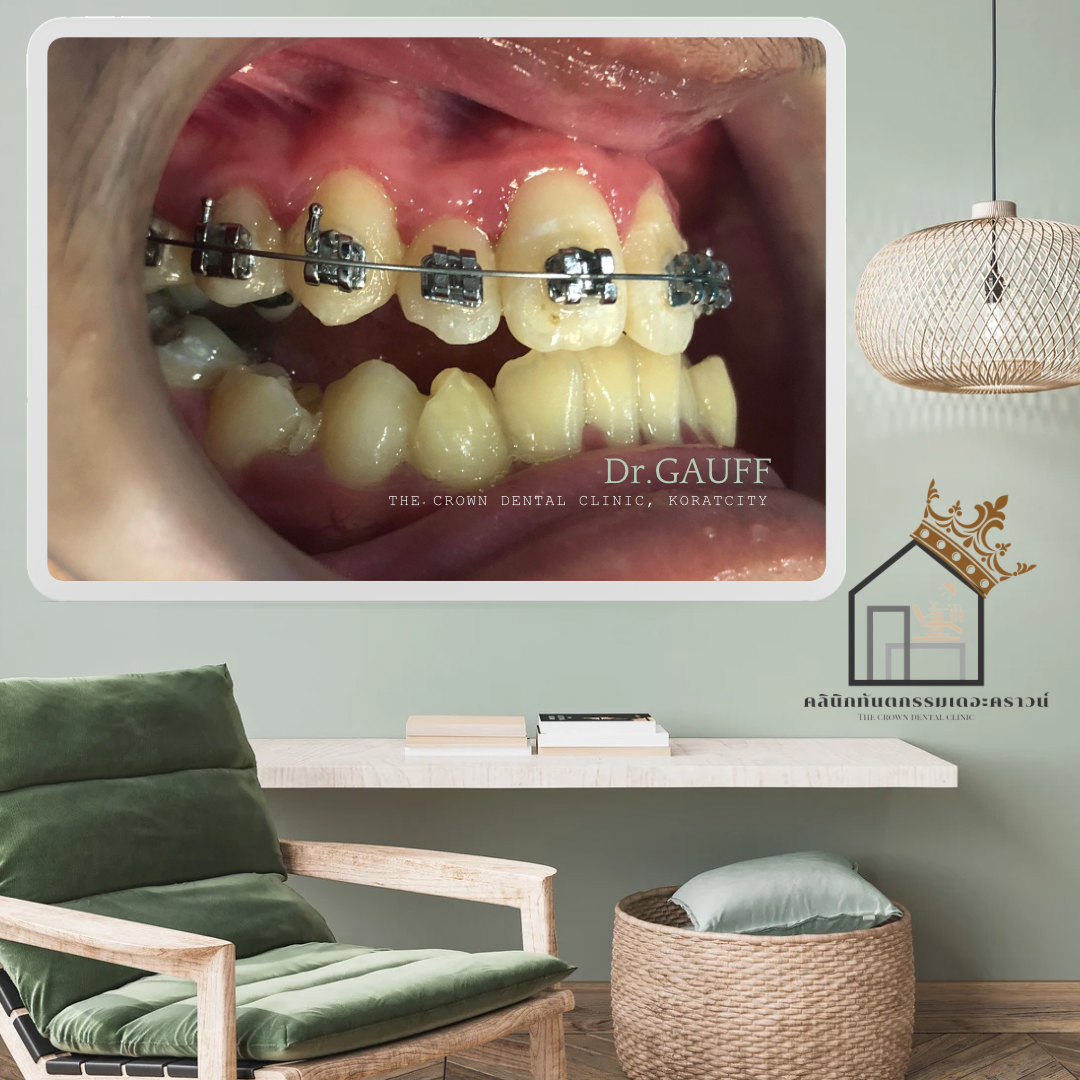
ณ ปัจจุบัน คนไข้อยู่ในขั้นตอนการรักษาในขั้นตอนการดึงฟันปิดช่องที่เหลืออยู่เล็กน้อย และการดึงให้ฟันบนและล่างสบกันได้สนิทดี ก็จะเสร็จสิ้นกระบวนการรักษา ซึ่งปัจจุบันคนไข้สามารถเคี้ยวอาหารด้วยฟันหลังได้ทั้งซ้ายและขวาอย่าง
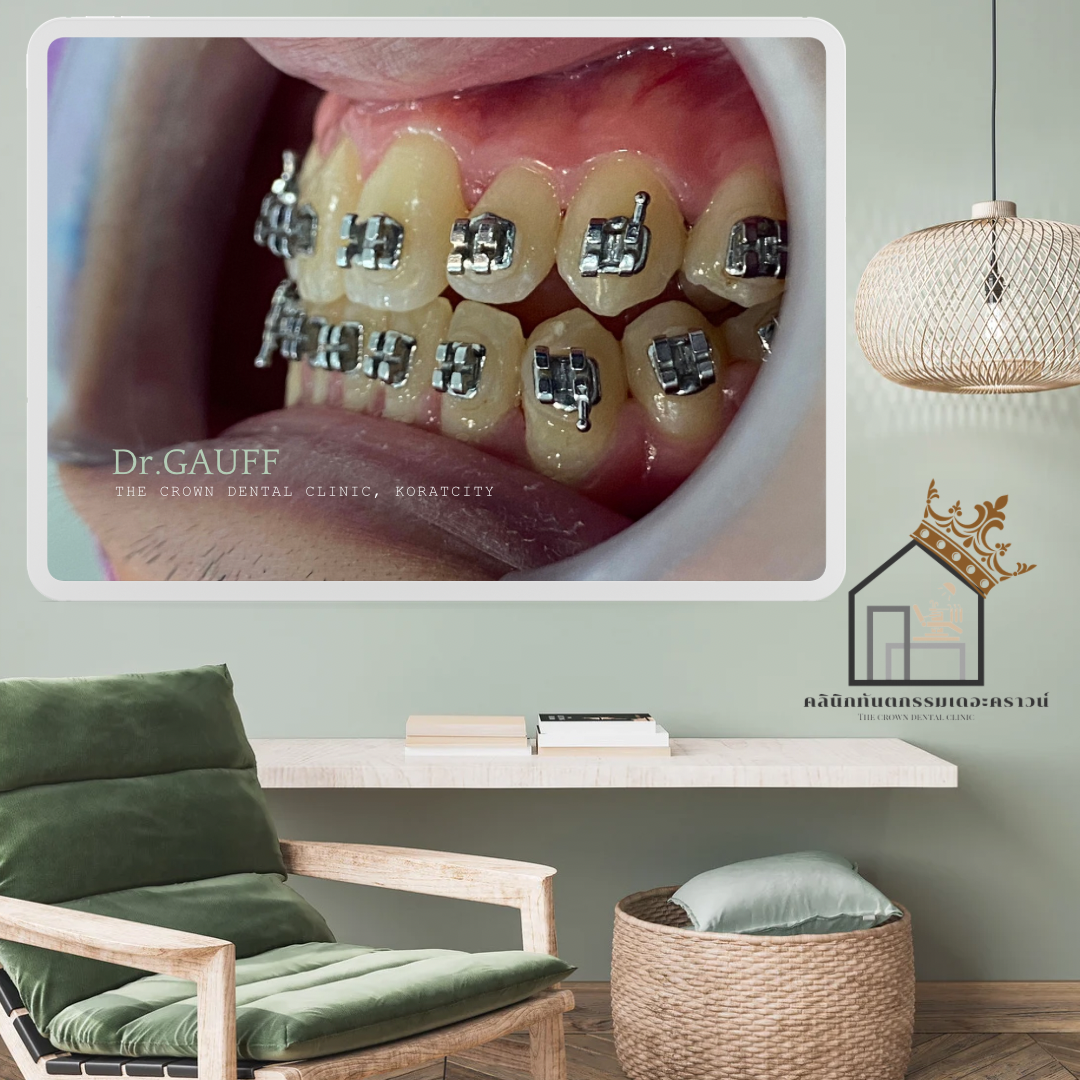
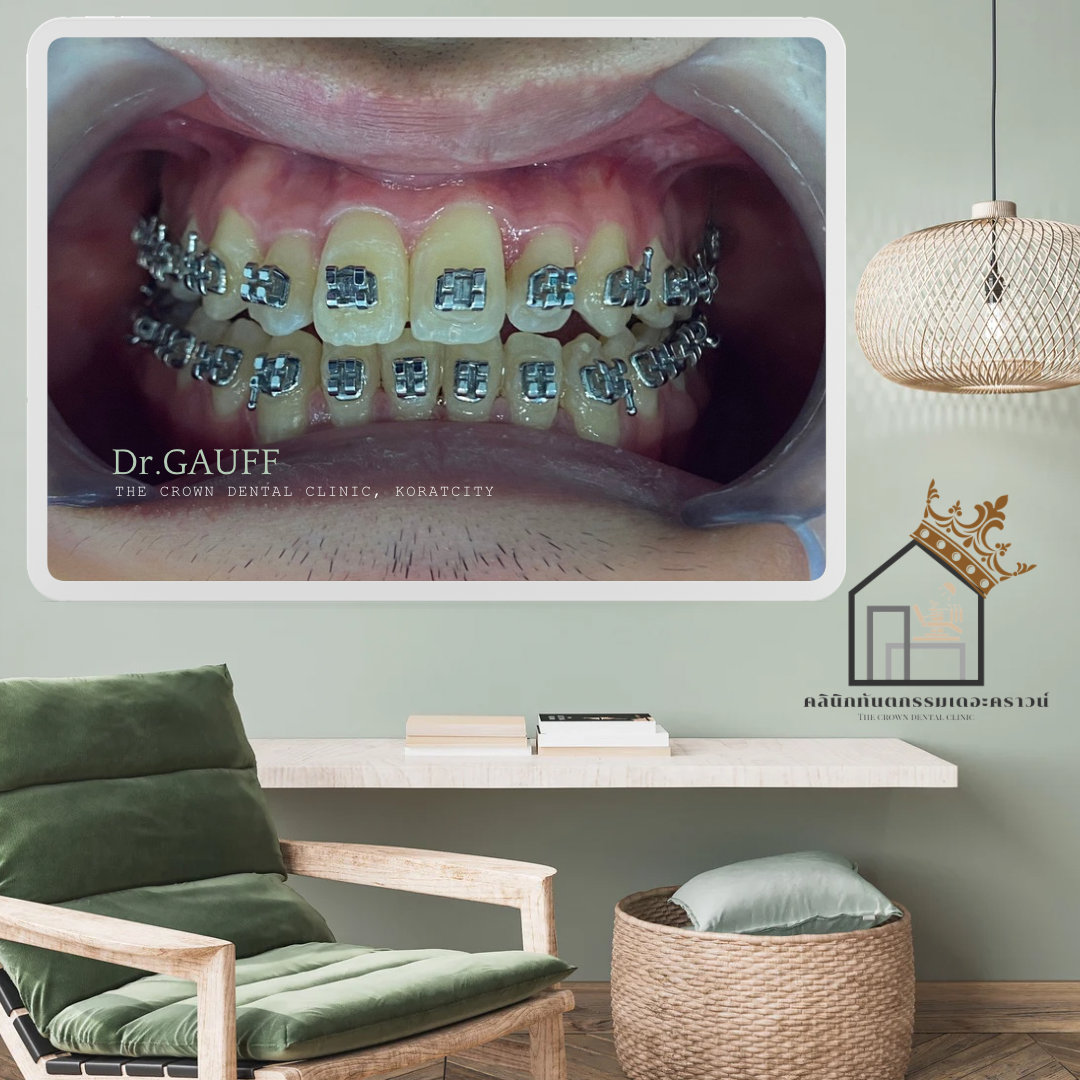
จากเคสตัวอย่างจะเห็นได้ว่า การรักษาในช่วงที่คนไข้รายนี้กำลังมีการเจริญของขากรรไกร ทำให้คุณหมอสามารถขยายขากรรไกร เพื่อให้มีพื้นที่ที่เพียงพอในการเรียงฟันที่ซ้อมเกได้ และยังช่วยให้ขากรรไกรของคนไข้มีรูปทรงที่เป็นปกติ หากปล่อยปัญหาเหล่านี้ จนเลยช่วงเวลาที่เหมาะสม มีแนวโน้มที่จะต้องได้รับการผ่าตัด เพื่อแก้ไขปัญหาการสบฟันในที่สุด
Orthodontic Treatment During Jaw Growth
Orthodontic treatment performed while the jaws are still growing can significantly improve treatment success—especially around the ages of 14–15, when jaw growth is active and the permanent tooth roots have fully developed.
Sample Case Overview
This example is a case treated by Dr. Golf. The patient began orthodontic treatment at approximately 13 years old after a severely abnormal bite was identified. When the patient bit down, only one pair of posterior teeth on each side made contact; the remaining teeth showed an open bite pattern. In addition, there was crowding of the anterior teeth. This pattern carries a risk of developing a lower anterior crossbite in the future.After evaluating the occlusion together with cephalometric (skull) radiographs and considering the patient’s age, an orthodontic treatment plan was established.
Treatment Rationale and Phases
Because the malocclusion was primarily due to a maxilla (upper jaw) that was narrower than the mandible (lower jaw), the initial plan focused on:
- Maxillary expansion to correct transverse deficiency
- Alignment of crowded upper anterior teeth
Phase 1:
Upper arch expansion and alignment successfully positioned the upper front teeth into appropriate alignment. However, the posterior open bite persisted, indicating the need for further correction.Phase 2:
Treatment then progressed to include the lower arch, aiming to close the remaining open bite and achieve stable posterior occlusion.
Current Status
At present, the patient is in the finishing stage, which involves:
- Closing small residual spaces
- Fine-tuning occlusion so that the upper and lower teeth contact properly
The patient can now chew effectively on both the left and right posterior teeth, indicating functional improvement.
Key Takeaway
This case highlights the advantage of initiating orthodontic treatment during active jaw growth. Early intervention allowed:
- Expansion of the upper jaw to create adequate space for crowded teeth
- Guidance of jaw development toward a more normal form
If these problems had been left untreated beyond the optimal growth period, the patient would have been much more likely to require jaw surgery to correct the bite in the future.
ขอบคุณที่ติดตามอ่านบทความ : คุณหมอกอล์ฟ คลินิกทันตกรรมเดอะคราวน์โคราช