ทำไมผู้สูงวัย คอฟันจึงผุง่าย
หลายๆคนมักคิดว่า โรคโรคผุมักเกิดเฉพาะที่ส่วนของตัวฟันทางด้านบดเคี้ยว หรือตามซอกฟันที่ขนแปรงเข้าทำความสะอาดได้ไม่ดีนัก แต่ทราบหรือไม่ว่า คอฟันของเรานอกจากเราจะเจอรอยโรคจากการสึกกร่อนแล้ว ยังสามารถที่จะเกิดฟันผุบริเวณคอฟันได้อีกด้วย
ฟันผุบริเวณคอฟันนั้น มักมีสาเหตุมาจาก เชื้อแบคทีเรีย ที่ทำลายฟัน โดยเฉพาะในรายที่มีน้ำลายน้อย เนื่องจากน้ำลายของคนเรา สามารถที่จะช่วยชะล้างเชื้อแบคทีเรียเหล่านี้ ไม่ให้เกาะตามผิวเรียบของฟันได้ โดยเฉพาะส่วนของคอฟันที่มีผิวที่เรียบ แต่ในผู้สูงอายุ บริเวณคอฟันมักพบภาวะเหงือกร่นทั้งจากโรคเหงือกและการแปรงฟันที่ผิดวิธี จนส่วนของเคลือบรากฟันโผล่ ซึ่งเคลือบรากฟันมีพื้นผิวที่ขรุขระมากกว่าส่วนของคอฟันที่เป็นเคลือบฟัน แบคทีเรียก็จะเกาะเคลือบรากฟันได้ง่ายกว่า ร่วมกับผู้สูงอายุมักพบปัญหาต่อมน้ำลายเสื่อม ผลิตน้ำลายลดลง เกิดภาวะปากแห้ง ยิ่งส่งเสริมให้เชื้อแบคทีเรียเกาะผิวรากฟันได้มากขี้น จนก่อให้เกิดโรคฟันผุนั่นเอง
ดังนั้นผู้ที่ให้การดูแลกลุ่มผู้ป่วยสูงวัย โดยเฉพาะในรายที่ไม่สามารถแปรงฟันได้เอง จึงควรให้การเอาใจใส่ในการแปรงฟัน ทำความสะอาดฟันอย่างถูกต้อง หมั่นตรวจเช็คฟันผุ และพาผู้สูงวัยมาตรวจตามระยะทุก 4-6 เดือน
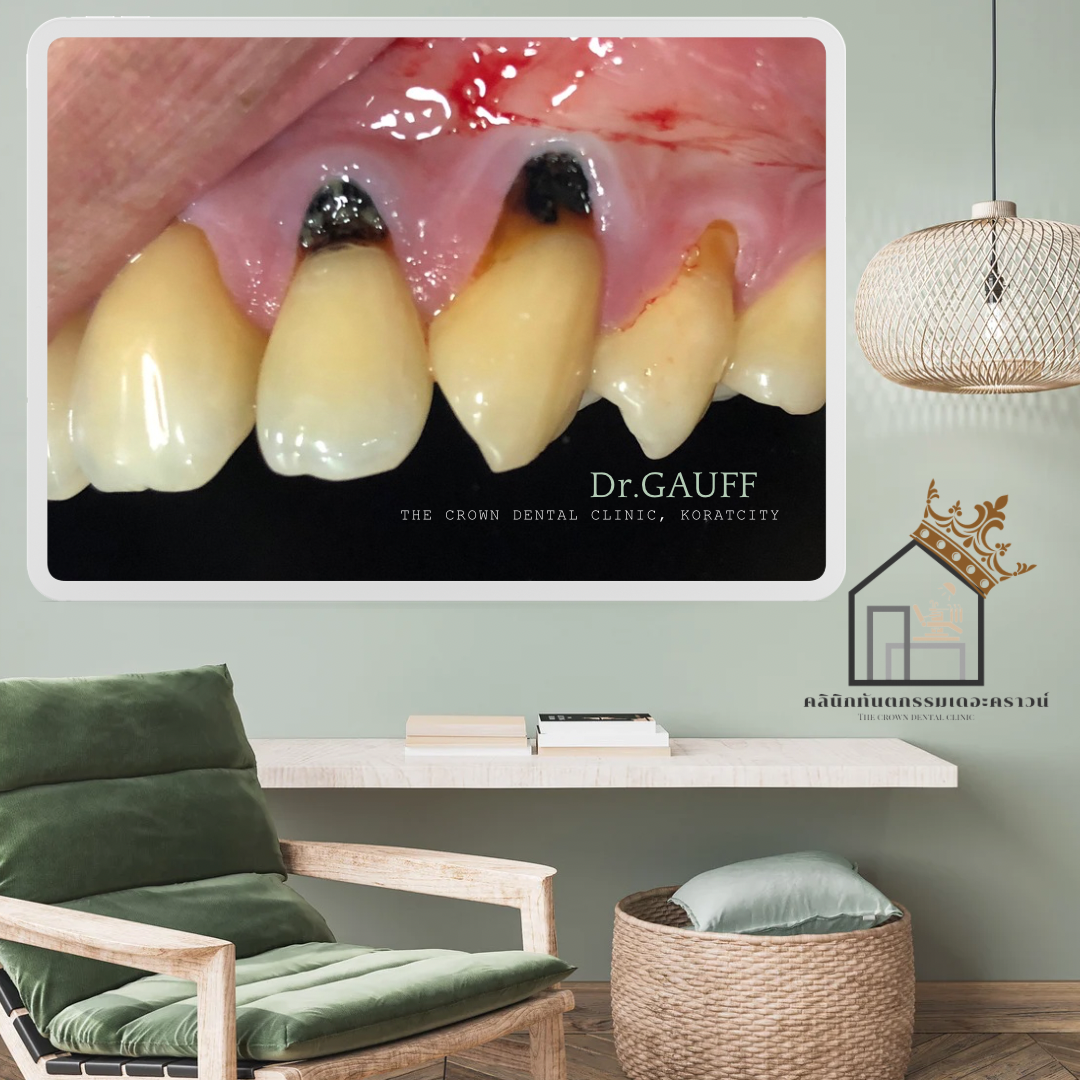
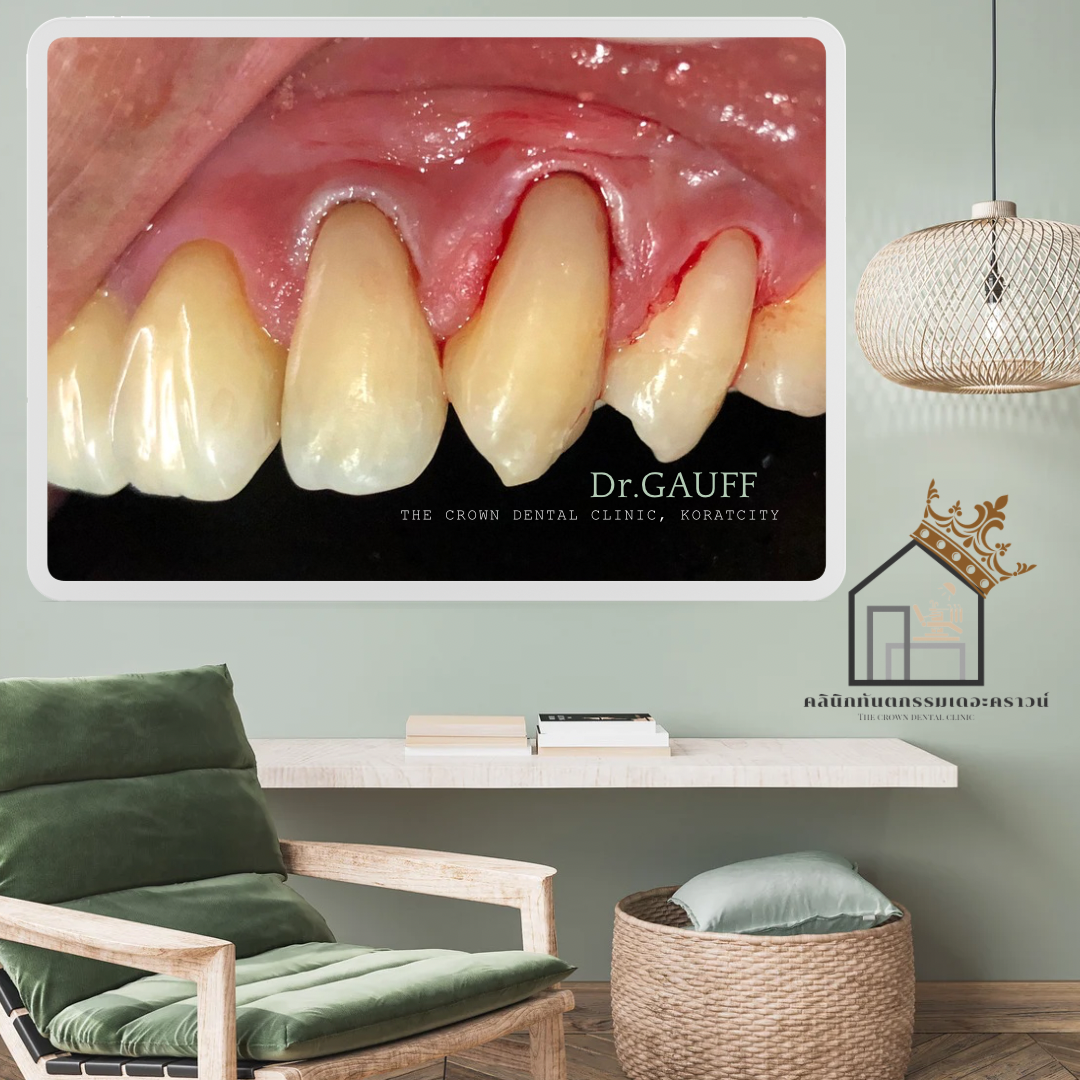
จากตัวอย่างเคสของคุณหมอกอล์ฟ การบูรณะฟันที่ผุบริเวณคอฟัน ด้วยวัสดุอุดสีเหมือนฟัน
Many people believe that dental caries (tooth decay) occur only on the chewing surfaces of teeth or between teeth, where toothbrush bristles cannot clean effectively. However, did you know that, in addition to tooth wear, cavities can also develop at the cervical area of the tooth (the neck of the tooth near the gum line)?
Cervical Caries: Why Do They Occur?
Cervical caries are primarily caused by bacteria that demineralize tooth structure. This condition is especially common in individuals with reduced saliva flow, because saliva normally helps wash away bacteria and prevents them from adhering to smooth tooth surfaces—particularly at the cervical area.In older adults, gingival recession is frequently observed due to periodontal disease or improper brushing techniques. As the gums recede, the root surface becomes exposed. Root surfaces are rougher than enamel and are therefore more susceptible to bacterial adhesion. In addition, many elderly patients experience salivary gland hypofunction, leading to dry mouth (xerostomia), which further increases the risk of bacterial accumulation on exposed root surfaces and ultimately results in cervical caries.
Prevention and Care for Older Adults
For caregivers of elderly patients—especially those who are unable to brush their teeth independently—special attention is essential. Proper toothbrushing techniques, thorough daily oral hygiene, regular checks for early signs of decay, and routine dental visits every 4–6 months are strongly recommended to prevent progression of cervical caries.
Sample Case – The Crown Dental Clinic
In this example case by Dr. Golf, cervical caries were successfully restored using tooth-colored composite resin, improving both function and esthetics while protecting the exposed root surface from further decay

ขอบคุณที่ติดตามอ่านบทความนะครับ : คุณหมอกอล์ฟ คลินิกทันตกรรมเดอะคราวน์ โคราช