รีวิวงานรากเทียม 1 ซี่ ฉบับย่อ
หากคุณผู้อ่าน เคยถอนฟันออกไปสักซี่หนึ่ง เหตุการณ์นี้จะกระทบต่อการเรียงตัวฟันซี่อื่นๆของท่านทันที ฟันจะทั้งล้ม ทั้งยื่น หมุนเอียงเข้าไปหาช่องว่าง กล่าวคือ ฟันซี่อื่นๆ จะพากัน "พัง" ไปตามกัน ซึ่งส่งผลให้คุณภาพการเคี้ยวอาหารลดลง สุขภาวะและสุขภาพโดยรวมของท่านจะเสียสมดุลไป เพราะการรับประทานอาหาร เป็นความสุขที่สำคัญของชีวิต และการรับประทานอาหารให้อร่อย ได้อรรถรส ส่วนหนึ่งก็มาจากระบบการเคี้ยวอาหารที่ดีนั่นเอง
และตามปกติแล้ว เมื่อคนเราสูญเสียฟันไปจากช่องปาก เราก็จะได้รับคำแนะนำจากทันตแพทย์ ให้ใส่ฟันเทียมทดแทนฟันที่เสียไป ไม่ว่าจะเป็นงานฟันเทียมชนิดถอดได้หรือชนิดติดแน่น ตามที่เราสะดวกใจจะเลือก
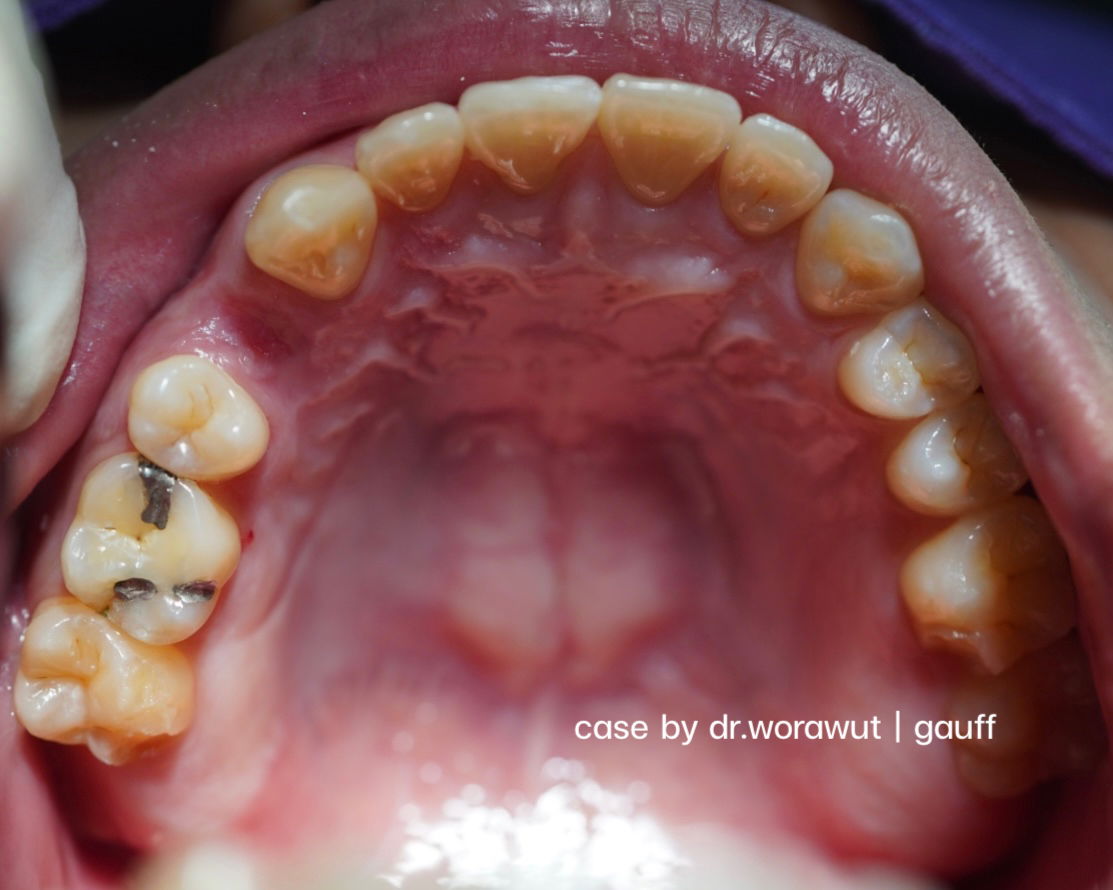
รากเทียม เป็นการใส่ฟันรูปแบบหนึ่งของงาน "ฟันเทียมติดแน่น" ที่บูรณะเฉพาะตำแหน่งที่ถอนฟันไป โดยไม่แตะต้องฟันธรรมชาติที่เหลืออยู่ แน่นอนว่าย่อมดีกว่าฟันเทียมถอดได้ และดีกว่า สะพานฟัน ที่ทำความสะอาดยากและเสียเนื้อฟันที่ดีออกไปด้วย โดยเฉพาะงานสะพานฟันยิ่งสร้างผลเสียต่อช่องปากอย่างมาก หากดูแลทำความสะอาดได้ไม่ดีพอ
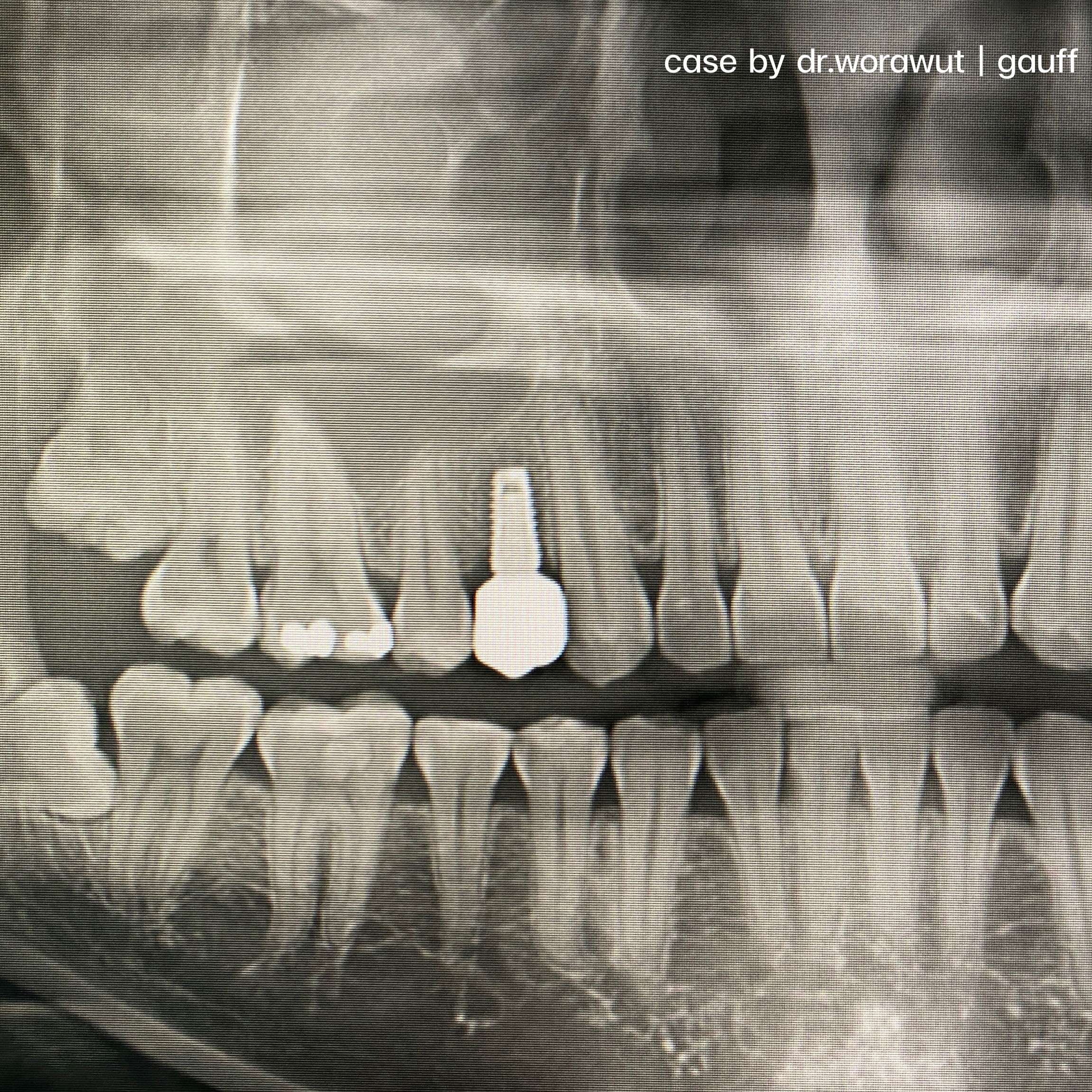
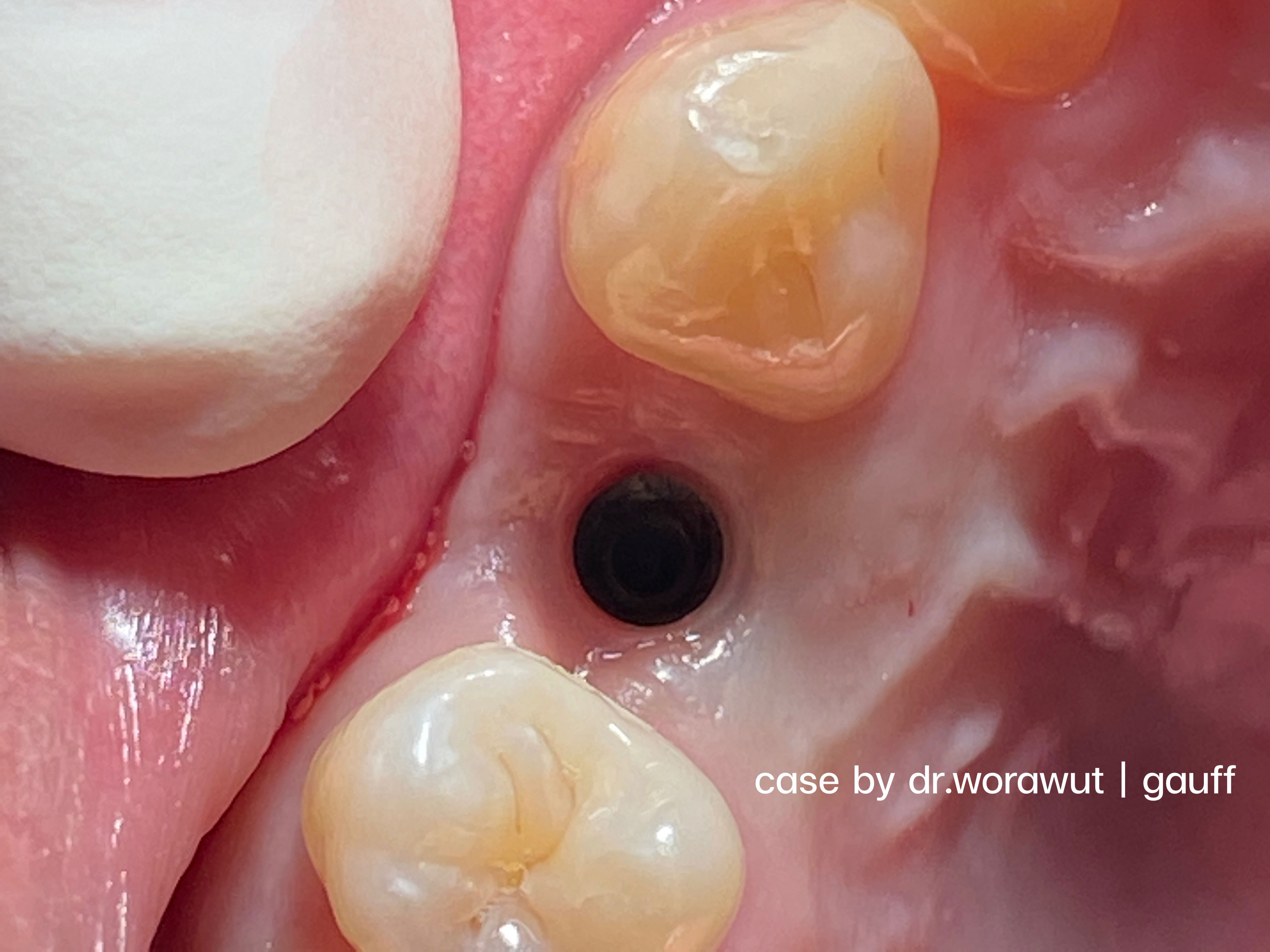
งานรากเทียม มีอายุการใช้งานถือได้ว่า ยาวนานกว่าการบูรณะแบบอื่นๆ ถ้าสามารถสร้างการสบฟันที่ดี และเลือกเคสได้เหมาะสม นอกจากนี้ รากเทียมยังช่วยในการชะลอการละลายตัวของกระดูกบริเวณที่ถอนฟันได้อีกด้วย ปัจจุบันมีการศึกษาว่า ฟันที่ได้รับการวางแผนให้รักษารากฟัน ถ้าพิจารณาถอนและปักรากเทียมทดแทนไป จะมีอัตราการประสบความสำเร็จของการรักษาที่สูง เพราะรากเทียมสามารถเหนี่ยวนำให้เกิดกระบวนการรวมตัวกันของกระดูกรอบราก และรักษาสภาพกระดูกบริเวณที่ถอนเอาไว้ได้ หากได้รับการปักรากเทียมในระยะเวลาที่เหมาะสม
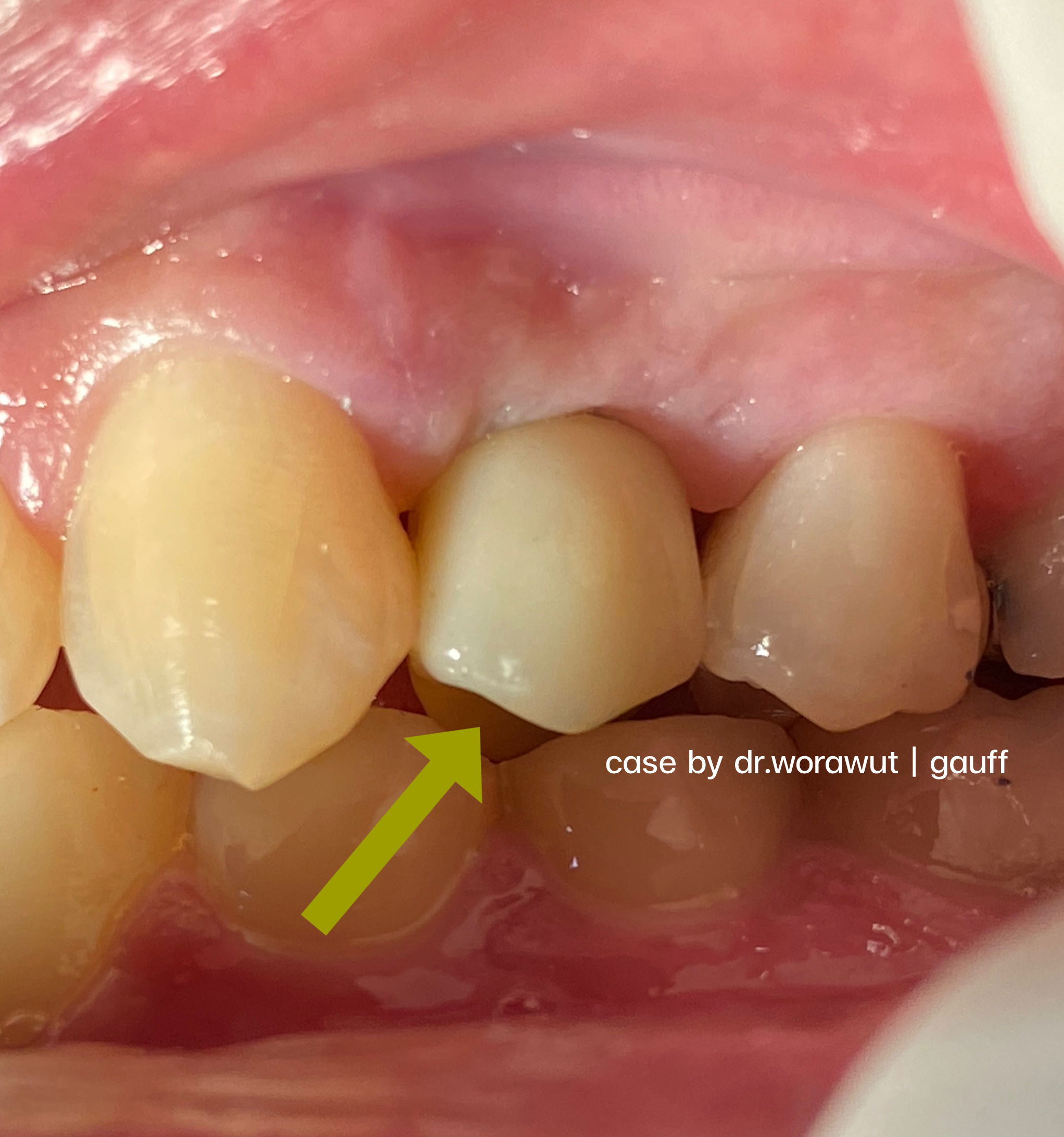
ระยะเวลาการรักษาตั้งแต่เริ่มต้นตรวจประเมินการรักษา จนถึงการใส่ครอบฟัน ใช้ระยะเวลาเฉลี่ยประมาณ 3-4 เดือน แต่ในบางเคสต้องใช้ระยะเวลายาวนานประมาณ 6 เดือน เช่น กรณีที่มีการปลูกกระดูกเทียมและเหงือกเทียมร่วมด้วย(Bone graft & Soft tissue graft) เป็นต้น
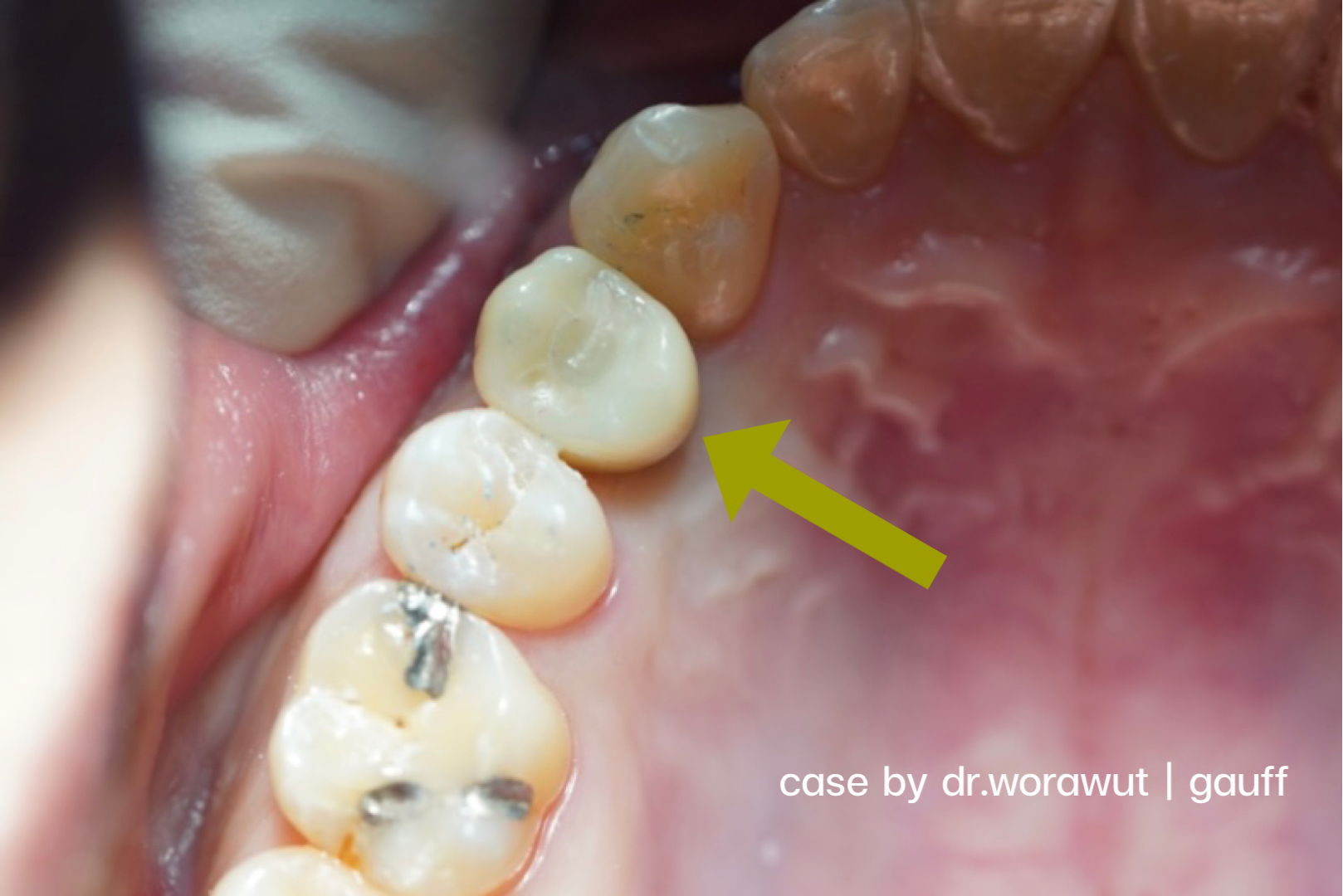
ขั้นตอนการตรวจและประเมิน
1. ตรวจประเมินสภาพช่องปาก โรคประจำตัว สภาพของฟัน ขนาดช่องที่จะใส่รากเทียม และพิมพ์ปากเพื่อทำแบบจำลองฟัน
2. ตรวจประเมินด้วยภาพถ่ายรังสี ทั้ง 3มิติ หรือ CT scan และ 2 มิติ เพื่อประเมินคุณภาพของกระดูก ดูรากฟันของฟันข้างเคียง และดูเส้นประสาท หรือไซนัสที่ใกล้เคียงตำแหน่งที่จะปักรากเทียม
3. ขั้นตอนงานศัลยกรรมช่องปาก ปักรากเทียมเข้าสู่ตำแหน่งที่ถอนฟัน บางเคสมีการวางแผนเติมกระดูกเทียมและเหงือกเทียมโดยส่วนมากก็จะทำกันในขั้นตอนนี้ และในขั้นตอนนี้กระดูกจะเข้ามายึดกับรากเทียม ซึ่งต้องใช้ระยะเวลาพอสมควร และทันตแพทย์จะมีการนัดกลับมาติดตามดูเป็นระยะ เพื่อประเมินความแน่นของรากเทียม ร่วมกับเอ็กเรย์ฟิล์มในช่องปาก
กรณีเคสไม่เติมกระดูกเทียม รอหลังจากปักรากเทียมไปแล้วประมาณ 3-4 เดือน จึงจะเข้าสู่ขั้นตอนต่อไป ส่วนกรณีที่เติมกระดูกเทียม จะต้องรอให้กระดูกเทียมแข็ง ซึ่งใช้ระยะเวลาประมาณ 6 เดือนหรือมากกว่า
4. ขั้นตอนงานทำครอบฟัน จะเป็นขั้นตอนของการบูรณะส่วนครอบ
ขั้นตอนนี้บางเทคนิคจะมีการผ่าตัดเล็กๆ เพื่อใส่ชิ้นงานเข้าไปยึดกับรากเทียมเพื่อสร้างส่วนโค้งของเหงือกที่จะมารองรับส่วนโค้งของครอบฟันในอนาคต (Healing cap) ในขั้นตอนนี้จะใช้ระยะเวลาประมาณ 2 สัปดาห์ แต่บางเทคนิคก็จะใส่ตัวสร้างเหงือกนี้ไปตั้งแต่ครั้งแรกที่ผ่าตัดปักรากเทียมเลย ซึ่งขึ้นอยู่กับการประเมินและวางแผนเคสของทันตแพทย์
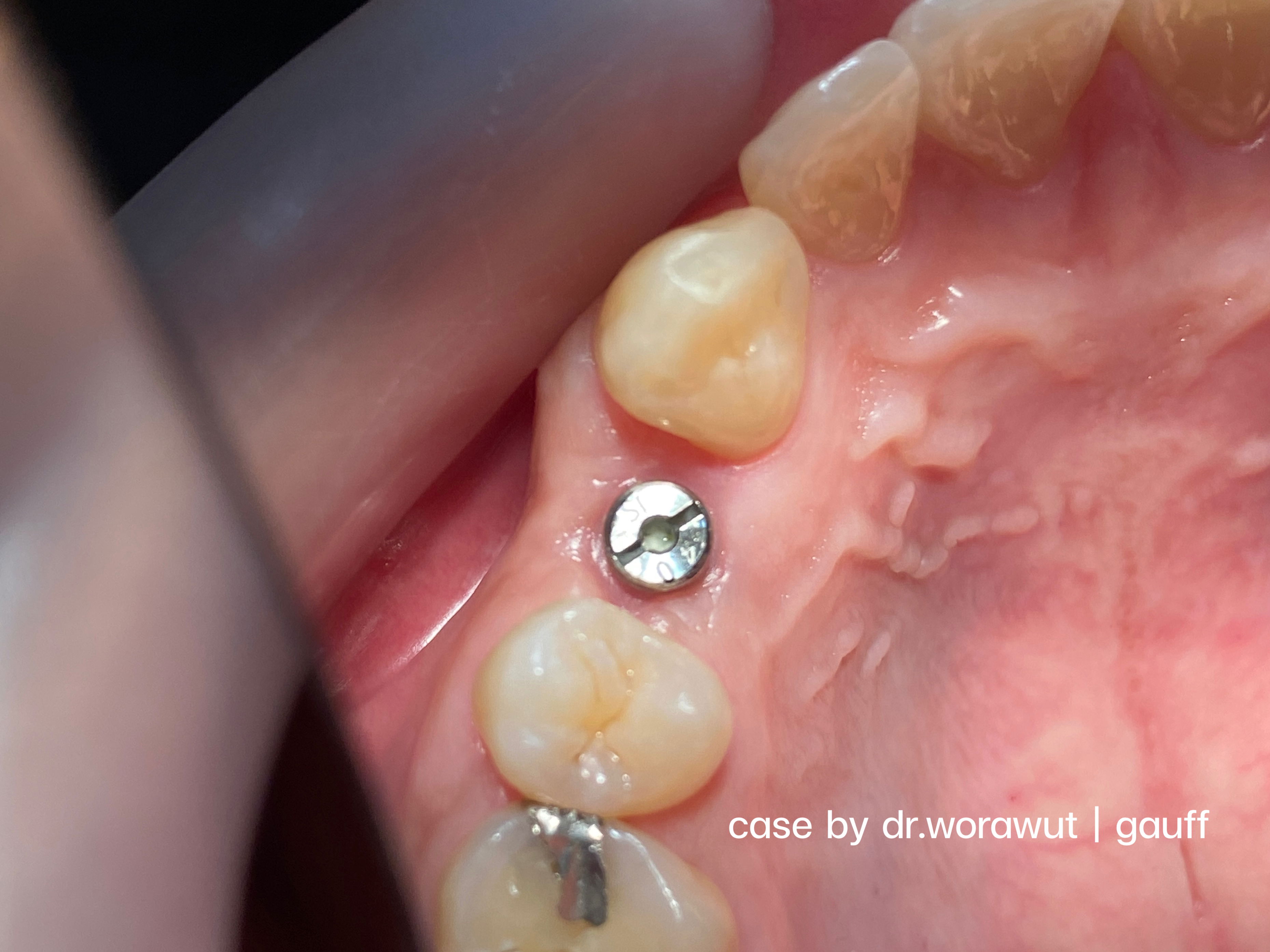
หลังจากนั้นจะเป็นขั้นตอนการพิมพ์ปาก และสร้างชิ้นงานขึ้นมา และนัดกลับมาใส่ชิ้นงาน ในขั้นตอนนี้ก็ใช้เวลาปกติประมาณ 1 สัปดาห์
5. ขั้นตอนการกลับมา recheck & recall
การกลับมาตรวจเช็คสภาพรากเทียมตามระยะ เป็นสิ่งจำเป็น เพราะไม่มีการบูรณะไหนในโลกใบนี้ที่ถาวรและยั่งยืนอยู่อย่างนั้นตลอดไป ดังนั้นการตรวจเช็คทุกๆ 6 เดือน ยังคงมีความสำคัญอย่างมาก
การปักรากเทียม ไม่ได้น่ากลัวอย่างที่คิด แต่อาจจะแพงอย่างที่คิด แต่เหมาะที่จะลงทุน เพราะผลระยะยาวมีความเป็นไปได้ที่จะคุ้มค่าต่อระบบการเคี้ยวของท่านอย่างแน่นอน เมื่อเทียบกับการทดแทนฟันด้วยฟันเทียมแบบอื่นๆ แต่การปักรากเทียมก็มีข้อยกเว้นในบางกรณีเช่นกัน ดังนั้นการไปตรวจประเมินสภาพช่องปากก่อนการรักษาจึงมีความเหมาะสมนะครับ
หมอกอล์ฟ | เดอะคราวน์ ผู้เขียน
If you have ever had a tooth extracted, this event immediately affects the alignment of the remaining teeth. Adjacent teeth may tilt, protrude, or rotate into the empty space. In other words, the surrounding teeth may gradually “collapse” toward the gap. This chain reaction reduces chewing efficiency and disrupts overall oral and general health. Eating is one of life’s essential pleasures, and the ability to enjoy food fully depends greatly on a well-functioning chewing system.Normally, when a tooth is lost, a dentist will recommend replacing it with a prosthetic option—either a removable or a fixed dental prosthesis—depending on the patient’s preference and suitability.
Dental Implants
Dental implants are a form of fixed prosthetic restoration that replace only the extracted tooth at its original position, without affecting the remaining natural teeth. This option is generally superior to removable dentures and also preferable to dental bridges, which are more difficult to clean and require the removal of healthy tooth structure. In particular, dental bridges may have a significant negative impact on oral health if oral hygiene is not meticulously maintained.Dental implants are known for their long-term durability when proper case selection is made and a stable occlusion is achieved. In addition, implants help slow down bone resorption at the extraction site. Current studies suggest that in some cases, teeth initially considered for root canal treatment may achieve higher long-term success rates when extracted and replaced with implants instead. This is because implants promote osseointegration—the bonding of bone around the implant—and help preserve the surrounding bone when placed within an appropriate timeframe.
Treatment Timeline
The overall treatment duration, from initial assessment to final crown placement, typically averages 3–4 months. However, in certain cases—such as those requiring bone grafting or soft tissue grafting—treatment may extend to approximately 6 months or longer.
Examination and Treatment Planning Steps
1. Initial Assessment
Evaluation of oral health, underlying medical conditions, tooth condition, and the size of the edentulous space. Dental impressions are taken to create diagnostic models.2. Radiographic Evaluation
Assessment using both three-dimensional imaging (CT scan) and two-dimensional radiographs to evaluate bone quality, adjacent tooth roots, and nearby anatomical structures such as nerves or the maxillary sinus.3. Surgical Phase (Implant Placement)
The implant is surgically placed into the extraction site. In many cases, bone grafting and/or soft tissue grafting are planned and performed during this stage. After placement, time is required for the bone to integrate with the implant. Follow-up visits and radiographs are scheduled to monitor implant stability.
- In cases without bone grafting, the next stage typically begins after 3–4 months.
- In cases with bone grafting, healing may take 6 months or more before proceeding.
4. Prosthetic Phase (Crown Fabrication)
This stage focuses on restoring the crown portion of the implant.In some techniques, a minor surgical procedure is performed to place a component that shapes the gingiva (a healing cap) to create a natural gingival contour for the future crown. This process usually takes about 2 weeks. In other techniques, the healing component is placed at the time of implant surgery, depending on the dentist’s evaluation and treatment plan.Following this, impressions are taken, the prosthetic crown is fabricated, and the patient returns for crown placement—typically within one week.5. Recheck and Recall Phase
Regular follow-up visits are essential. No dental restoration is permanent without maintenance. Therefore, routine check-ups every six months are critically important to ensure long-term success.
Dental implant placement is not as frightening as many people imagine—although it may be as costly as expected. However, it is often a worthwhile investment due to its long-term benefits for chewing function when compared with other tooth replacement options. That said, dental implants are not suitable for every case. Therefore, a comprehensive oral examination and professional evaluation prior to treatment are always recommended.