สะพานฟันเหมาะกับใคร! (รีวิวเคส)
เมื่อไหร่ก็ตามที่เราสูญเสียฟันไป แล้วมีความต้องการที่จะใส่ฟันปลอมทดแทนช่องว่างที่เกิดขึ้น เรามักจะได้รับคำแนะนำเรื่องการใส่ฟัน โดยแบ่งเป็น 2 ชนิดใหญ่ๆ ได้แก่งานฟันปลอมแบบติดแน่น และงานฟันปลอมชนิดถอดได้ แน่นอนว่าหลายๆคนปรารถนาที่จะใส่งานฟันปลอมติดแน่นด้วยกันทั้งนั้น เนื่องจากชิ้นงานมีความคล้ายคลึงกับฟันธรรมชาติของเรา ไม่ขยับไปมาระหว่างการใช้งาน ไม่มีส่วนของฐานฟันปลอมที่ดูจะสร้างความน่ารำคาญ และรบกวนการใช้ชีวิตประจำวันของเรามากเสียทีเดียว
งานฟันปลอมชนิดติดแน่น กรณีใส่ทดแทนฟันที่ถอนออกไป แบ่งออกเป็น 2 แบบหลักๆ ได้แก่ งานรากฟันเทียม ซึ่งก็เป็นการฝังสกรูไทเทเนียมเข้าไปในกระดูก เสมือนเป็นรากฟันจริงๆของเรา บูรณะเฉพาะ ตำแหน่งช่องว่างนั้น โดยไม่ข้องเกี่ยวกับฟันซี่ปกติข้างๆแต่อย่างใด
ส่วนงานติดแน่นอีกประเภท ได้แก่งานสะพานฟัน ซึ่งมีความเกี่ยวข้อง กับการเลือกฟันธรรมชาติที่ติดกับช่องว่างทั้งสองด้าน มาใช้ในการรองรับส่วนของงานสะพานฟัน โดยสร้างเป็นครอบฟันประมาณ 3 ซี่ ที่เชื่อมติดกัน วางชิ้นงานไปบนสันเหงือก และยึดชิ้นงานเข้ากับฟันธรรมชาติทั้งสองด้านของช่องว่าง (ไม่มีส่วนใดของงานที่ฝังเข้าไปยึดกับกระดูก) แน่นอนว่างานสะพานฟันจะต้องมีการกรอเอาเนื้อฟันธรรมชาติออกไปด้วย ส่งผลให้ฟันธรรมชาติมีความแข็งแรงที่ลดลง นำมาซึ่งการดูแลรักษาทำความสะอาดที่ต้องพิถีพิถันมากขึ้นกว่าปกติ
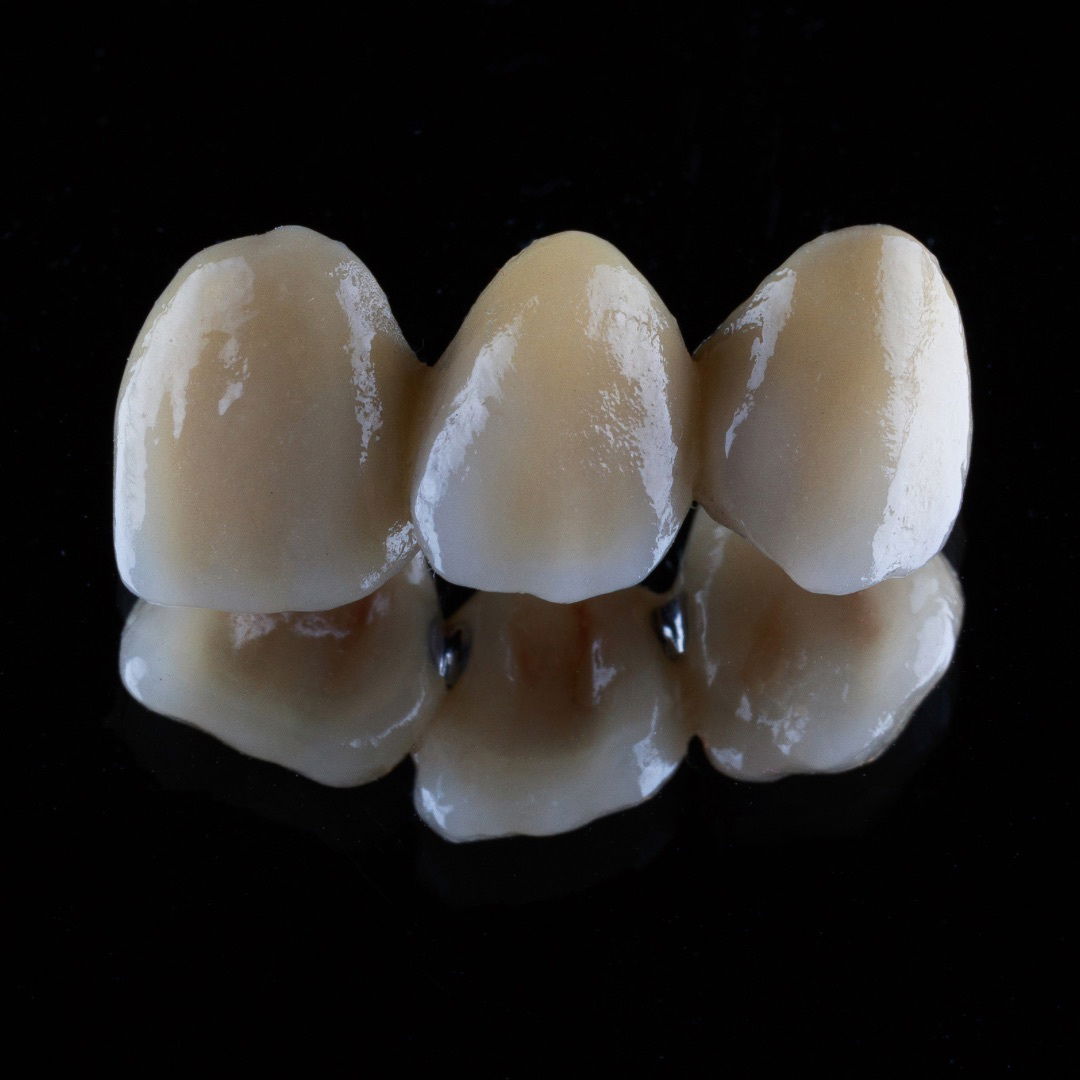
ดังนั้นก่อนการบูรณะด้วยสะพานฟัน คุณหมอจะต้องตรวจประเมินฟันธรรมชาติที่ติดกับช่องว่าง ว่ามีความแข็งแรงเหมาะสมที่จะทำสะพานฟันได้หรือไม่ และจะต้องประเมินขนาดของช่องที่จะใส่ฟันว่าเหมาะสมหรือไม่ มีขนาดใหญ่มากเกินไปหรือไม่ เนื่องจากหากช่องที่จะใส่ฟันมีขนาดกว้างมากเกินไป จะส่งผลต่อแรงเคี้ยวอาหารที่จะกดลงบนชิ้นงาน ทำให้งานเสียหายได้ เพราะสาเหตุที่ชิ้นงานไม่มีส่วนของรากที่ฝังเข้าไปยึดกับกระดูก ทำให้การกระจายแรงของชิ้นงานทำได้ไม่ดีเท่ากับงานรากเทียม
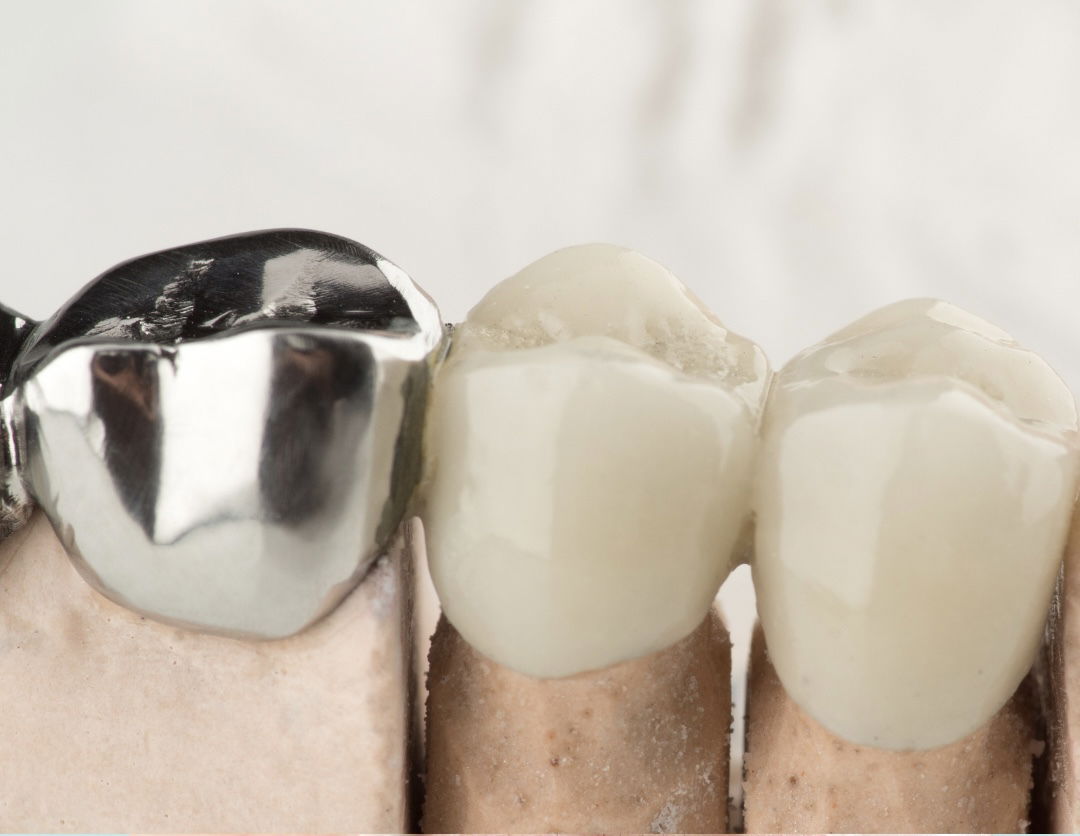
และอีกประเด็นที่ใช้ในการประเมินที่สำคัญ คือระดับความสามารถของผู้ป่วยในการทำความสะอาด เนื่องจากวัตถุประสงค์หลักของการบูรณะงานต่างๆ ก็คือการคงสภาพของการสบฟันที่ดีให้ได้ในระยะยาว ซึ่ง การดูแลรักษาความสะอาดก็เป็นปัจจัยที่ก่อให้เกิดการเสียหายต่อฟันหลักและชิ้นงานได้ เนื่องจากภายหลังการบูรณะด้วยสะพานฟัน คนไข้จะทำความสะอาดบริเวณซอกฟันได้ลำบาก ส่งผลให้เกิดโรคฟันผุและโรคเหงือกตามมาได้ นำมาซึ่งความล้มเหลวของการรักษาได้
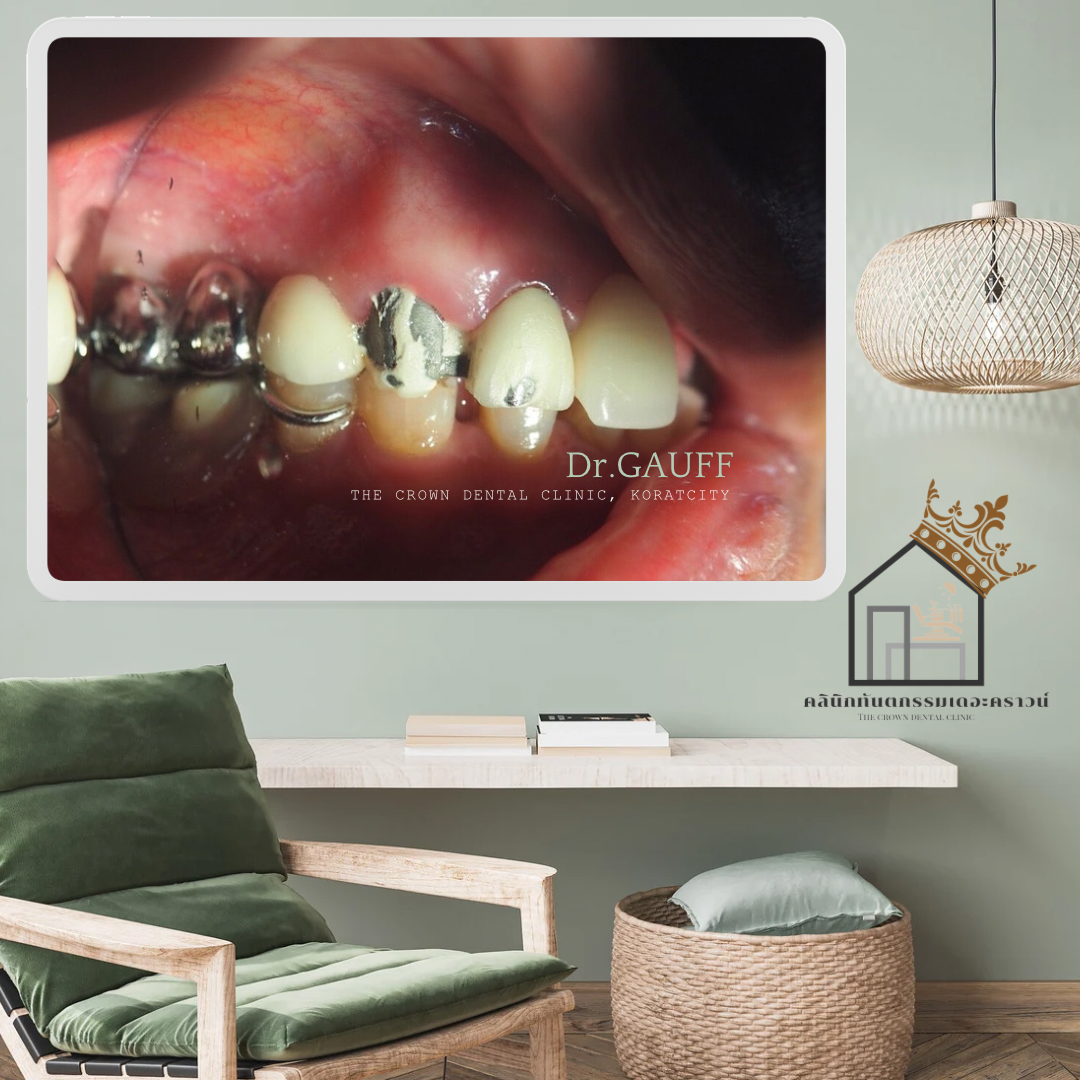
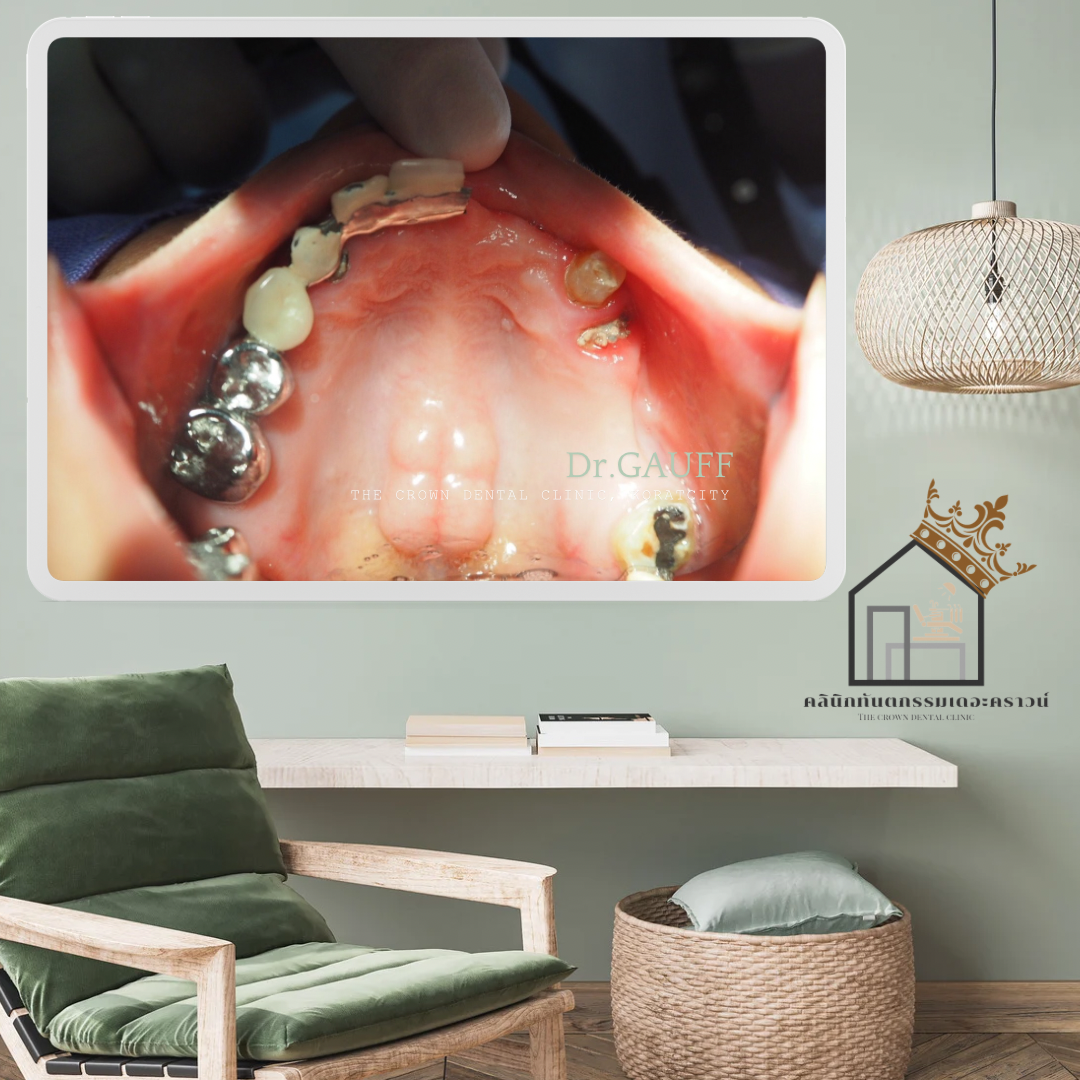
ต่อไปเป็นเคสตัวอย่างคนไข้ ที่บูรณะด้วยสะพานฟันทั้งปาก ตรวจพบมีฟันหลักที่ผุ สะพานฟันชำรุด ส่วนของเซรามิกแตกเสียหาย จำเป็นต้องรื้อออกทั้งหมด ส่วนฟันหลักที่สภาพยังดีอยู่ จำเป็นต้องบูรณะด้วยครอบฟันเฉพาะซี่ก่อน และตามด้วยการทำฟันปลอมถอดได้ทดแทน
ภายหลังจากการรื้อสะพานฟันออก คุณหมอบูรณะฟันหลักที่ยังสภาพดี ด้วยครอบฟัน และทำฟันปลอมแบบถอดได้ทดแทนให้คนไข้ใส่ใช้งาน

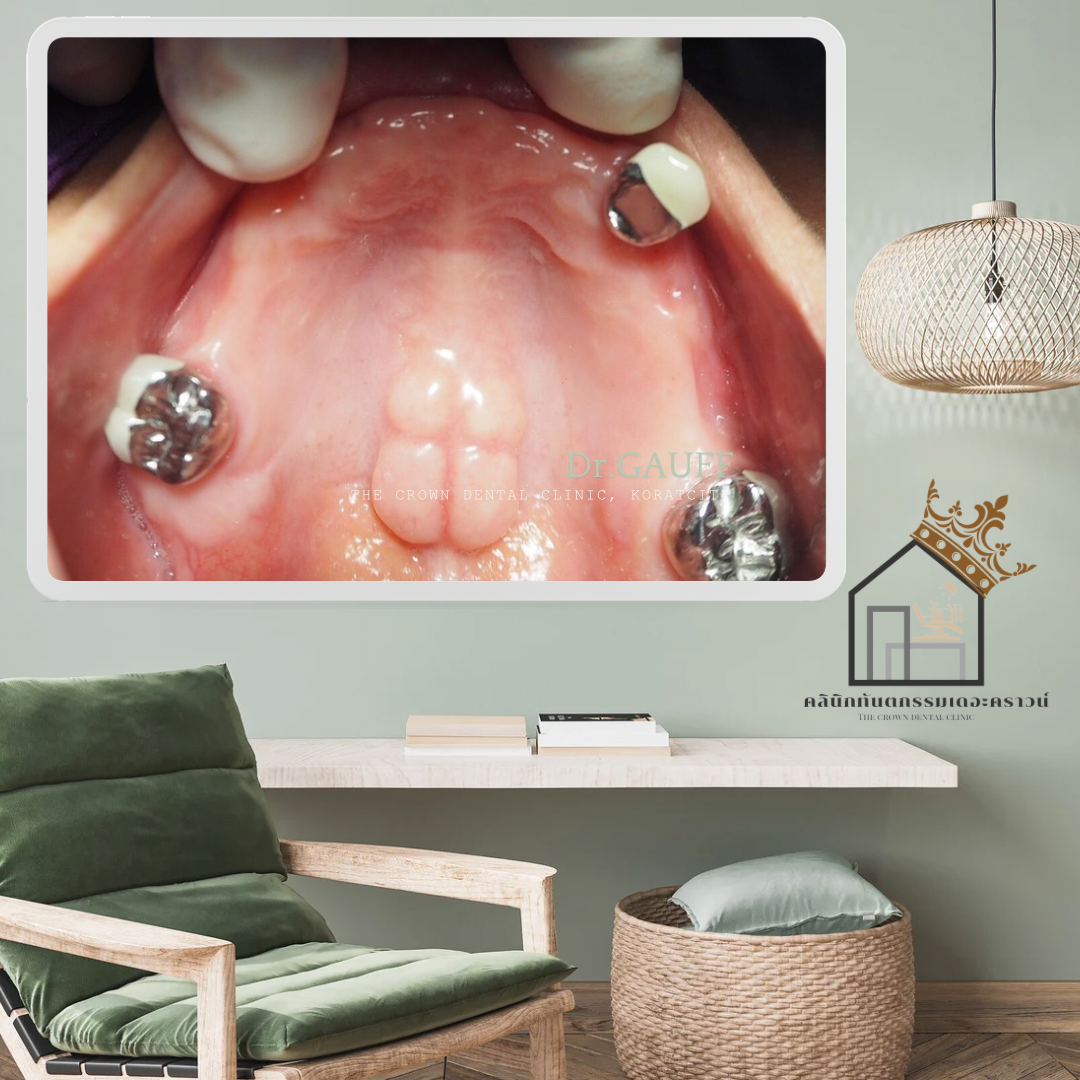

Whenever a tooth is lost and replacement of the resulting space is required, patients are commonly advised about two main types of dentures: fixed prostheses and removable dentures. Naturally, many people prefer fixed prosthetic restorations, as they closely resemble natural teeth, remain stable during function, and do not have a denture base that may feel bulky or interfere with daily life.Fixed prosthetic restorations used to replace extracted teeth can be broadly divided into two main categories. The first is dental implants, which involve placing a titanium screw into the jawbone to function as an artificial tooth root. This option restores only the missing tooth space and does not involve or affect the adjacent natural teeth.The second type of fixed restoration is a dental bridge. This approach relies on selecting the natural teeth on both sides of the missing space to support the bridge. Typically, a three-unit restoration is fabricated, consisting of connected crowns that rest on the gingival ridge and are anchored to the natural teeth adjacent to the space. Unlike implants, no part of the bridge is anchored directly into the bone. Consequently, preparation of a dental bridge requires reduction of healthy tooth structure from the supporting natural teeth, which may compromise their strength and necessitates more meticulous oral hygiene than usual.Therefore, prior to restoring a missing tooth with a dental bridge, the dentist must carefully evaluate the condition and strength of the adjacent natural teeth to determine whether they are suitable to serve as abutments. The size of the edentulous space must also be assessed. If the space is excessively wide, occlusal forces transmitted to the bridge may be excessive, increasing the risk of prosthetic failure. This is because a bridge lacks a root structure embedded in bone, resulting in less effective force distribution compared to dental implants.Another critical factor in treatment planning is the patient’s ability to maintain adequate oral hygiene. The primary objective of any prosthetic restoration is to preserve a stable and functional occlusion over the long term. Inadequate oral hygiene can lead to deterioration of both the supporting teeth and the prosthesis. Following bridge placement, cleaning interproximal areas becomes more challenging, increasing the risk of dental caries and periodontal disease, which may ultimately result in treatment failure.The following is an example case of a patient who had full-mouth bridge restorations. Clinical examination revealed caries affecting the abutment teeth, damaged bridges, and fractured ceramic components. As a result, all existing bridges had to be removed. Abutment teeth that remained in good condition were restored with individual crowns, followed by fabrication of removable dentures to replace the missing teeth.After removal of the bridges, the dentist restored the remaining healthy abutment teeth with crowns and provided removable dentures for the patient to use as functional replacements.
ขอบคุณที่ติดตามอ่านนะครับ : คุณหมอกอล์ฟ ทีมเดอะคราวน์ โคราช