กัดฟัน แล้วฟันหน้าบนกระแทกเหงือกล่าง ฟันหน้าล่างกระแทกเพดาน อันตรายไหมนะ? (รีวิวเคสสบลึก)
ลักษณะเคสสบฟันลึก (Deepbite) มีลักษณะอย่างไร - หากต้องให้ผู้เขียนอธิบายความหมายของการสบลึก ให้กับท่านผู้อ่านที่อาจจะไม่ได้อยู่ในแวดวงทันตแพทย์ได้เข้าใจ ผู้เขียนขอใช้รูปภาพประกอบการอธิบายเพื่อให้ทุกท่านได้เห็นภาพ
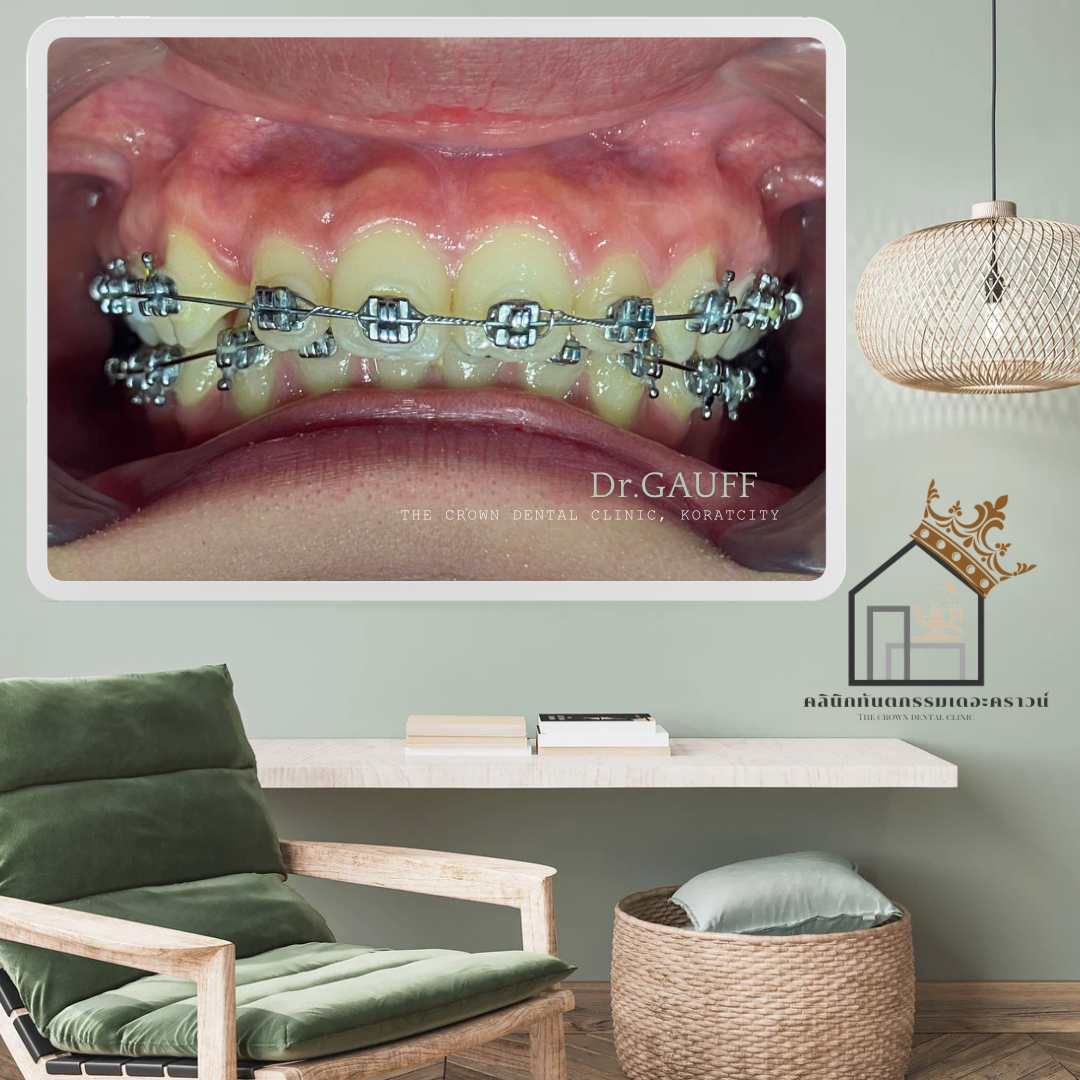
การสบฟันลึก คือเมื่อท่านสบฟันสนิท พบว่า ปลายฟันหน้าบน คลุมฟันหน้าล่างมากกว่าระดับการสบฟันปกติ (ปกติเมื่อกัดฟันสนิท ปลายฟันหน้าบนและล่าง จะเหลื่อมกัน 2-3 มิลลิเมตร) จากภาพเรียกว่าคลุมไปเลย 100% ซึ่งผลเสียก็คือ เนื้อเยื่อที่อยู่ระดับปลายฟันเสี่ยงต่อการเกิดการบาดเจ็บจากการที่ปลายฟันกระแทก หรืออาหารไปกระแทก หรือผลเรื่องของความสวยงาม
สาเหตุ ก็มีคร่าวๆ 3 แบบ คือ เกิดจากกระดูกขากรรไกรมันเจริญผิดปกติ หรือเกิดจากฟันที่มันเจริญผิดปกติเอง แต่กระดูกขากรรไกรเจริญในลักษณะปกติ หรือผิดปกติไปหมดทั้งกระดูกทั้งฟันก็ได้
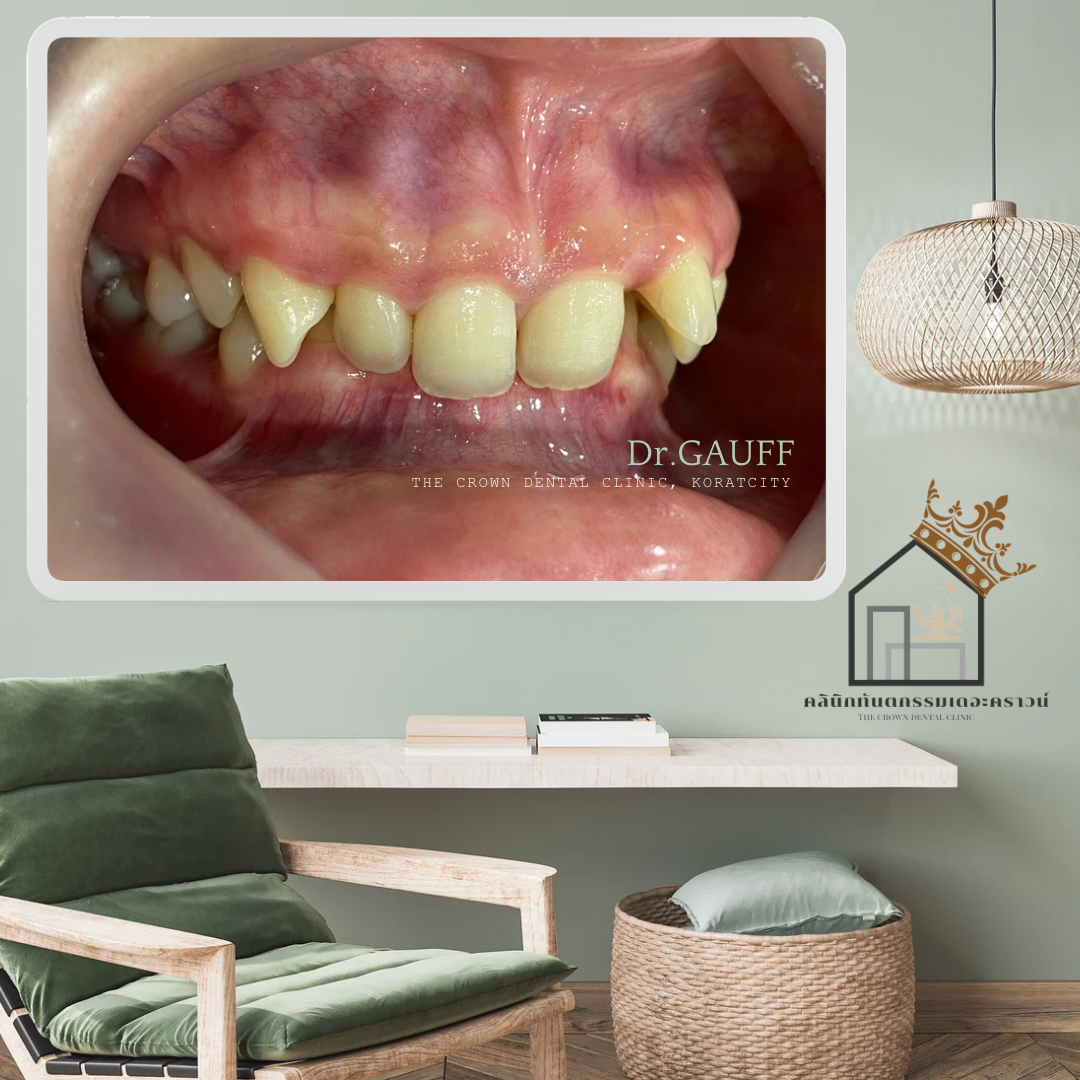
ทีนี้ แล้วจะแก้ยังไงดีละ? แน่นอนการแก้ไขก็จะมีอยู่คร่าวๆ 2 แบบ ซึ่งขึ้นอยู่กับระดับความรุนแรง สาเหตุการเกิดการสบลึก ระดับความคาดหวังต่อผลการรักษา อายุของคนไข้ รวมถึง Socioeconomic Status ของคนไข้แต่ละรายด้วย พิจารณาประกอบๆกัน
การแก้ไขแรก ถ้ากระดูกขากรรไกรดูเจริญเป็นปกติ การสบลึกไม่รุนแรงมาก การจัดฟันเพียงอย่างเดียว ก็พอที่จะแก้ไขได้ แต่ถ้าความผิดปกติอยู่ในระดับที่รุนแรง กระดูกขากรรไกรผิกปกติ คนไข้คาดหวังผลการรักษาที่ดี ต้องการความสวยงาม การสบฟันที่ดีในระดับปกติ และ Support ค่าใช้จ่ายได้ ก็เลือกการผ่าตัดกระดูขากรรไกรร่วมกับการจัดฟัน ก็จะเป็นการรักษาที่ดี
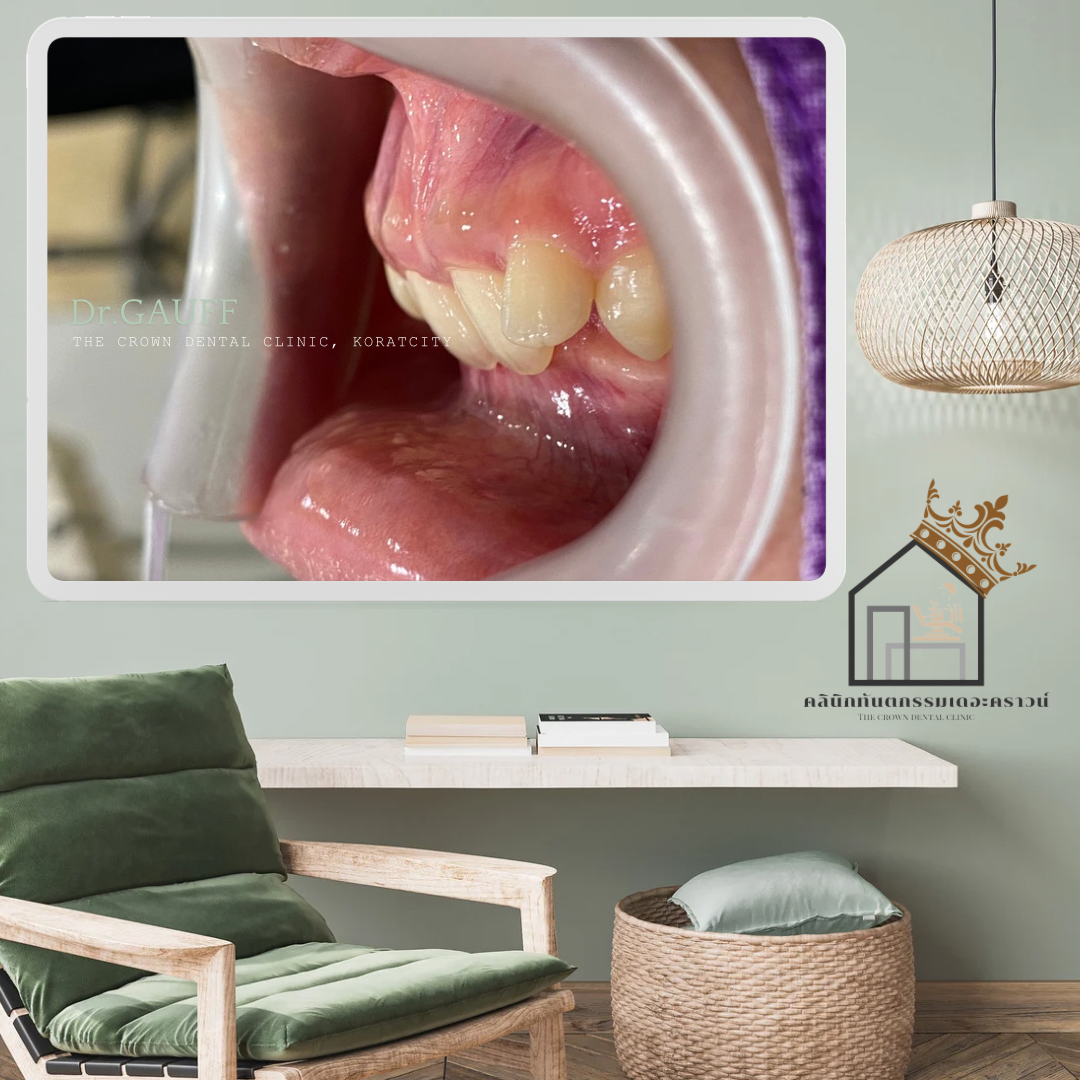
ส่วนเคสตัวอย่างนี้ เป็นความผิดปกติของกระดูก แต่คนไข้ปฏิเสธการผ่าตัด ผลจากเรื่องของค่าใช้จ่าย ประกอบกับอายุอยู่ในช่วงที่ขากรรไกรยังมีการเจริญเติบโต คุณหมออธิบายเรื่องของผลการรักษาที่คาดว่าจะสามารถทำได้ หากพิจารณาแค่การจัดฟันเพียงอย่างเดียว ซึ่งคนไข้ยอมรับได้ จึงเริ่มต้นเข้ารับการรักษา
แบ่งการรักษาเป็น 2 เฟส เฟสแรก เรียงฟันบนก่อนให้ได้การเรียงตัวฟันที่ดี และมีระนาบการสบฟันที่เหมาะสม จากนั้นก็เข้าสู่เฟสที่สอง จัดฟันฟันล่างรวมกับฟันบน เพื่อแก้ไขการสบลึก แก้ไขระดับฟันหน้า ไม่ให้เกิดการกระแทกเนื้อเยื่อ และแก้ไขฟันหน้าที่แนวฟันล้มเอียงเข้าด้านใน ให้ใกล้เคียงระดับปกติมากที่สุด
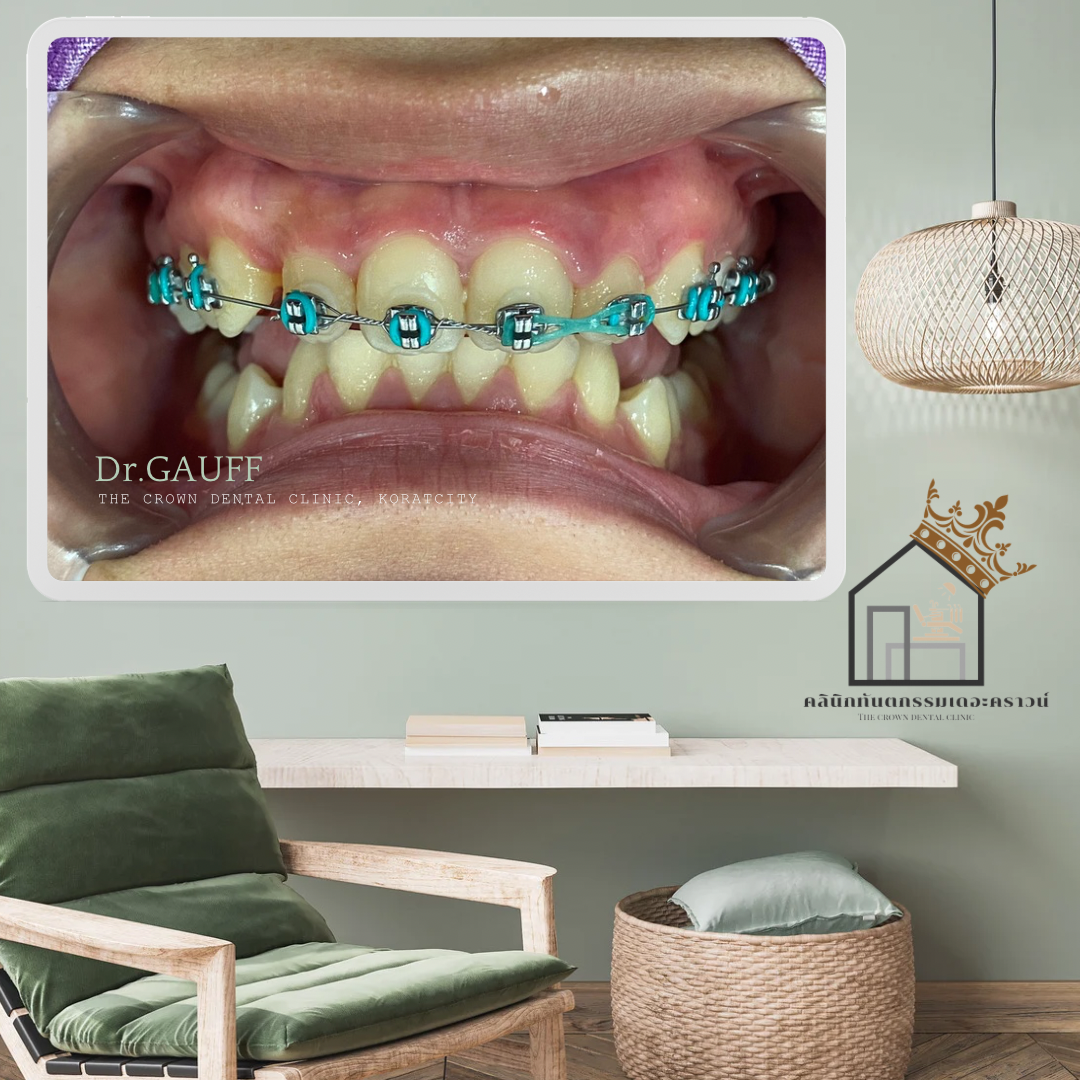
จากภาพ จะพบว่า แนวฟันหน้าล่างค่อนข้างเอียงเข้าด้านใน (ใกล้ลิ้น) ค่อนข้างมาก หรือภาษาคนทั่วไปคือ ฟันล้มเข้าด้านใน เป็นลักษณะเฉพาะของเคสสบฟันลึก ส่วนฟันหน้าบนได้รับการแก้ไขในเฟสแรก ให้กลับมาตั้งตรงได้เรียบร้อย
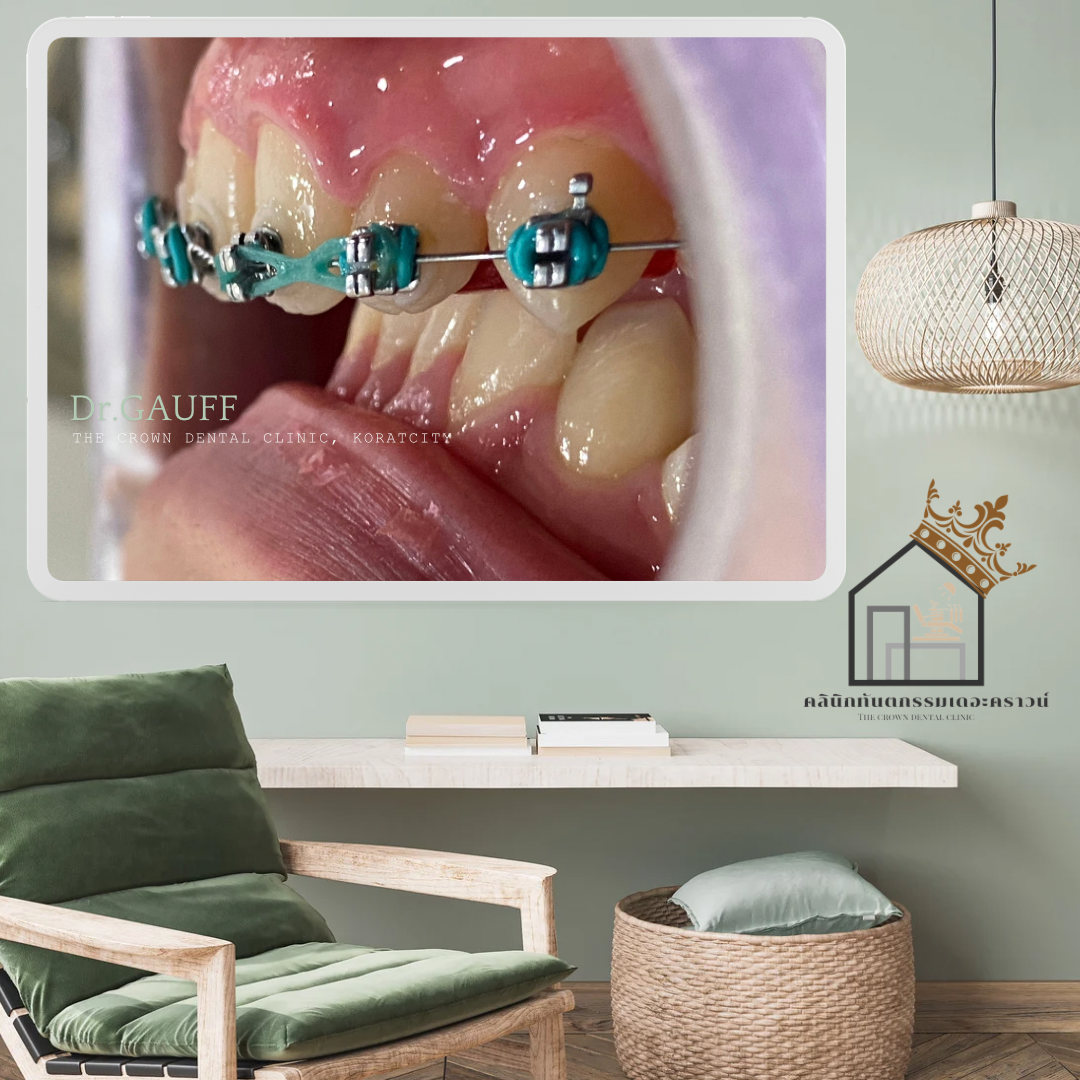
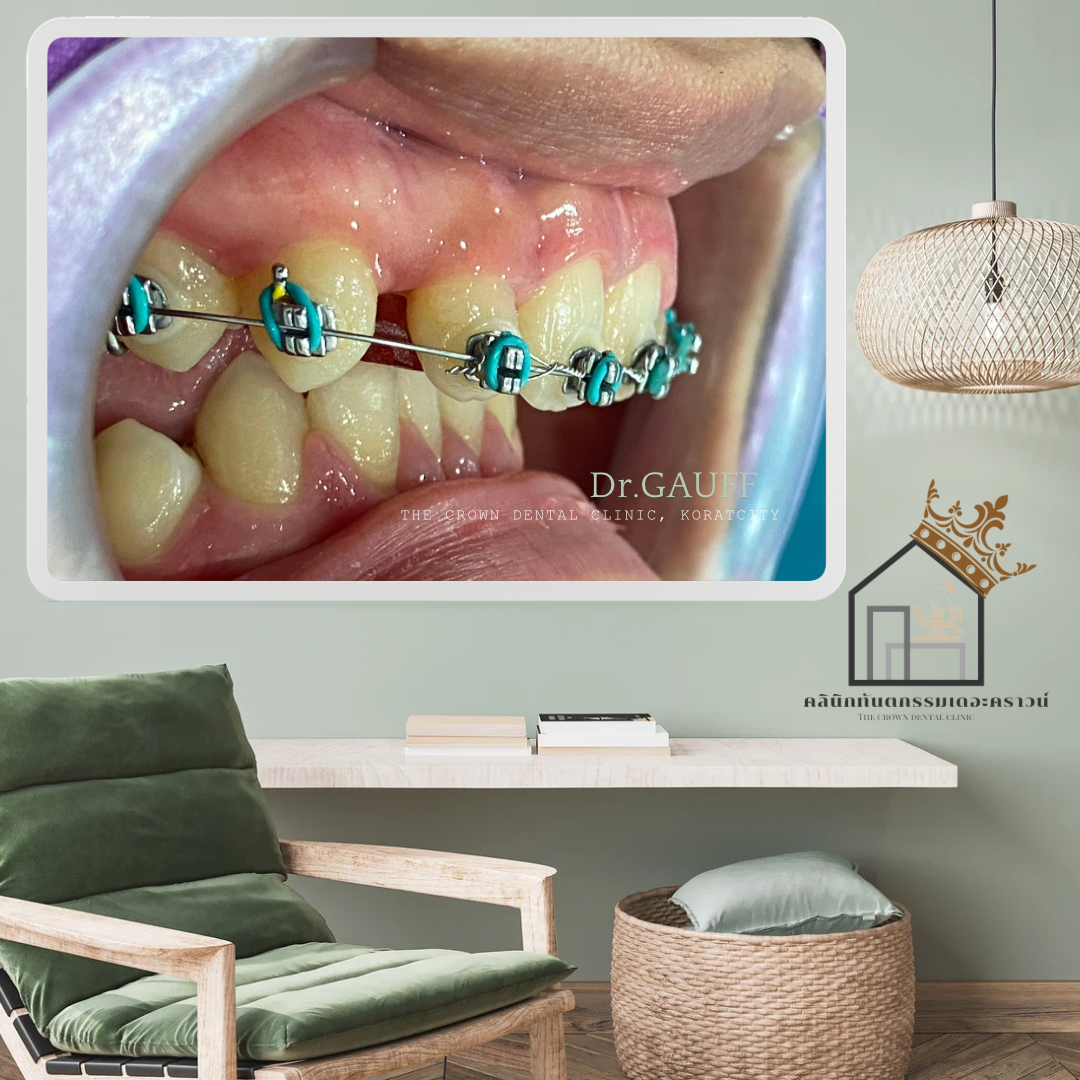
ปัจจุบัน คนไข้ยังอยู่ในขั้นตอนการรวบปิดช่องฟัน ลักษณะการสบฟัน ถึงแม้ว่าจะยังเกิดการสบลึกที่ระดับ 60% แต่ก็ช่วยลดการบาดเจ็บของเนื้อเยื่อในปากจากการโดนฟันกระแทกได้ ลดแนวฟันที่เอียง ให้กลับมาตรง เสริมภาพลักษณืให้สวยงามขึ้น แต่ถ้าต้องการความสมบูรณ์ของการสบฟันและความสวยงามที่มากขึ้น ในอนาคตคนไข้ก็สามารถวางแผนการผ่าตัดขากรรไกรได้เช่นกัน
What Is a Deep Bite (Deep Overbite)?
To explain deep bite in a way that is easy to understand for readers who are not dental professionals, visual examples are often helpful.A deep bite occurs when, upon fully biting down, the upper front teeth excessively overlap the lower front teeth beyond the normal range.
Under normal conditions, the upper and lower incisors overlap by about 2–3 millimeters. In a deep bite, however, the overlap can approach nearly 100%, meaning the upper incisors almost completely cover the lower incisors.The consequences of a deep bite include:
- Increased risk of soft-tissue injury near the incisal edges due to tooth contact or trauma from chewing
- Accelerated tooth wear
- Compromised esthetics, especially in the anterior region
Causes of Deep Bite
Broadly, deep bite can arise from three main etiologies:
- Skeletal causes – abnormal growth or development of the jawbones
- Dental causes – abnormal eruption or positioning of the teeth while the jawbones are otherwise normal
- Combined skeletal and dental causes – both the jawbones and teeth contribute to the condition
How Can a Deep Bite Be Corrected?
Treatment options generally fall into two main approaches, selected based on:
- Severity of the deep bite
- Underlying cause (skeletal vs dental)
- Patient’s age
- Desired treatment outcome and esthetic expectations
- Socioeconomic considerations and ability to support treatment costs
1) Orthodontic Treatment Alone
If jaw growth is relatively normal and the deep bite is mild to moderate, orthodontic treatment alone may be sufficient to achieve functional improvement.
2) Orthognathic (Jaw) Surgery Combined with Orthodontics
In severe skeletal cases, or when optimal esthetics and ideal occlusion are desired, jaw surgery combined with orthodontic treatment offers the most comprehensive correction—provided the patient accepts the procedure and associated costs.
Sample Case Discussion
In this example case, the deep bite was primarily skeletal in origin, but the patient declined jaw surgery due to cost considerations. Additionally, the patient was still within an age range where jaw growth was ongoing. After a thorough discussion of realistic treatment outcomes achievable with orthodontics alone—and the limitations involved—the patient agreed to proceed.
Treatment Phases
- Phase 1:
Alignment of the upper teeth to achieve proper tooth positioning and a more favorable occlusal plane. - Phase 2:
Comprehensive orthodontic treatment of both upper and lower arches to reduce the deep bite, adjust incisal levels to prevent soft-tissue trauma, and upright the anterior teeth that were tipped lingually (inward).
Clinical Characteristics Observed
As shown in the images, the lower anterior teeth were markedly tipped lingually (toward the tongue)—a classic feature of deep bite cases. The upper incisors were corrected during Phase 1 and brought to a more upright position.
Current Status and Prognosis
At present, the patient is in the space-closure and finishing phase. Although a degree of deep bite remains (approximately 60% overlap), the treatment has:
- Significantly reduced soft-tissue trauma
- Improved tooth inclination toward a more normal orientation
- Enhanced overall facial esthetics and appearance
If the patient desires complete correction with optimal occlusion and esthetics in the future, orthognathic surgery remains a viable option as a subsequent treatment plan
ขอบคุณที่ติดตามอ่านบทความ : คุณหมอกอล์ฟ คลินิกทันตกรรมเดอะคราวน์โคราช