ใส่รีเทนเนอร์ไปทำไม ? มีกี่แบบ รีเทนเนอร์โลหะทำไมถึงไม่แนะนำให้ใส่เคี้ยวอาหาร?
ใส่รีเทนเนอร์ไปทำไม? - เนื่องจากภายหลังการถอดเครื่องมือจัดฟัน กระดูกและอวัยวะปริทันต์ที่รองรับฟัน ยังไม่ได้รับการฟื้นฟูให้หายดี หลังจากได้รับแรงในการจัดฟันมาหลายปี ซึ่งระยะเวลาของการฟื้นฟูอวัยวะปริทันต์ต่างๆ ให้กลับมายึดกับฟันให้แน่นในตำแหน่งใหม่นี้ ก็จะอยู่ในช่วง 6 เดือน ดังนั้นจึงให้คำแนะนำ การใส่เครื่องมือคงสภาพฟัน หรือรีเทนเนอร์ ประมาณ 6 เดือนต่อเนื่อง เป็นอย่างน้อย เพื่อคงสภาพของฟัน และลดการเกิดการเคลื่อนที่กลับของฟัน หรือภาวะ Relapse นั่นเอง
แต่ในคนไข้บางรายที่มีการจัดเรียงตัวของฟันก่อนได้รับการจัดฟัน หรือในรายที่มีแรงจากลิ้นสูง อาจมีการปรับระยะเวลาของการใส่เครื่องมือคงสภาพฟันที่นานมากขึ้น
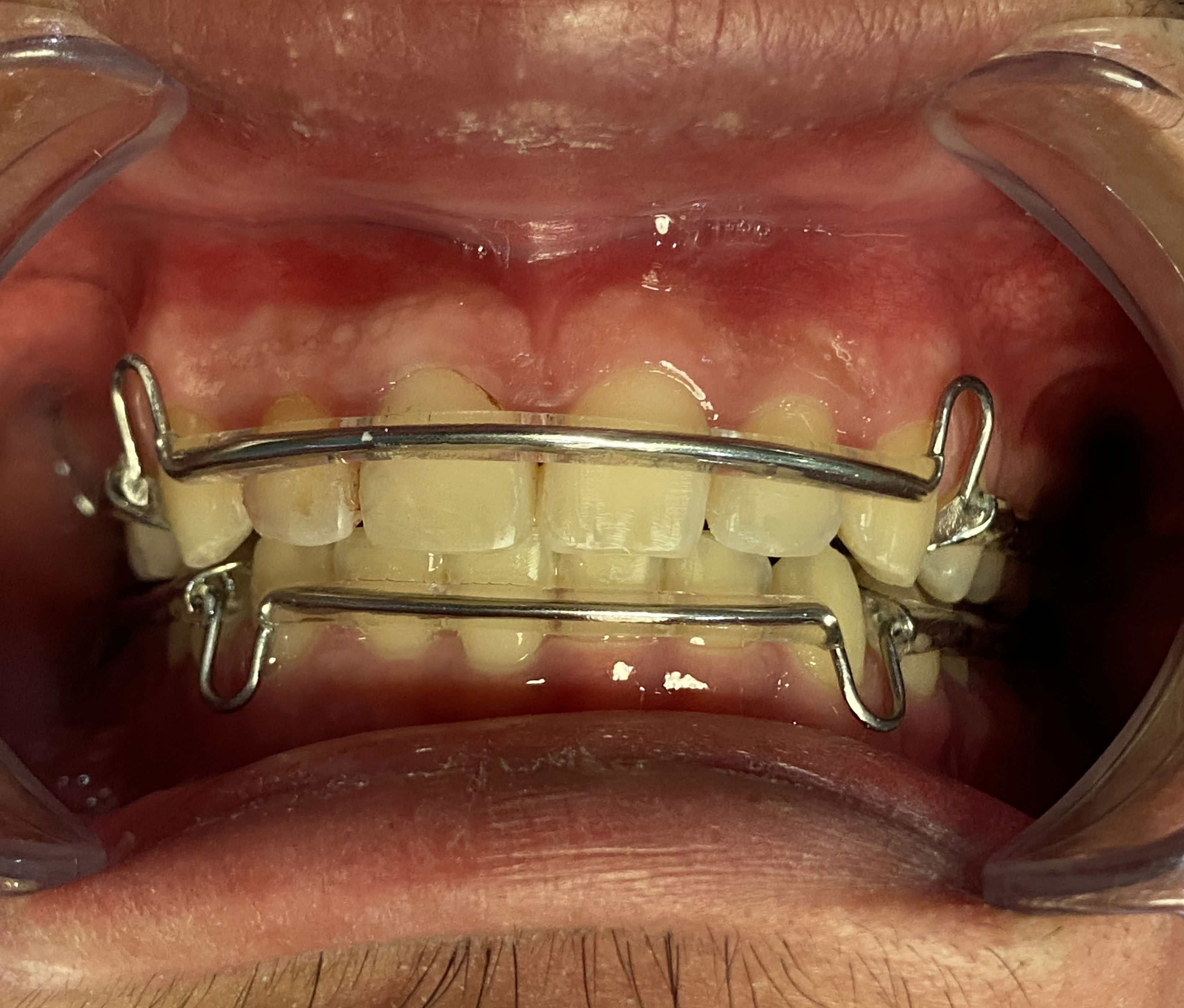
ชนิดของเครื่องมือคงสภาพฟัน จริงๆมีหลายแบบ แต่แบ่งเป็น 2 แบบหลัก คือแบบติดแน่น และแบบถอดได้
1. แบบติดแน่น คือการออกแบบเป็นเส้นลวด แต่ยึดติดที่ด้านในของผิวฟัน โดยยึดตั้งแต่ฟันกรามน้อยจากซ้ายไปขวา มักแนะนำในคนไข้ที่ประเมินแล้วว่า จะมีการเคลื่อนกลับของฟันที่สูงในช่วง 1 ปีแรก
2. แบบถอดได้ มีประมาณ 3 แบบที่ใช้กันทั่วไป (จริงๆมีมากกว่านี้ แต่หน้าตาก็จะคล้ายๆกัน ขออนุญาตรวบเป็นหมวดหมู่ที่เข้าใจง่าย ใช้กันบ่อยๆ)
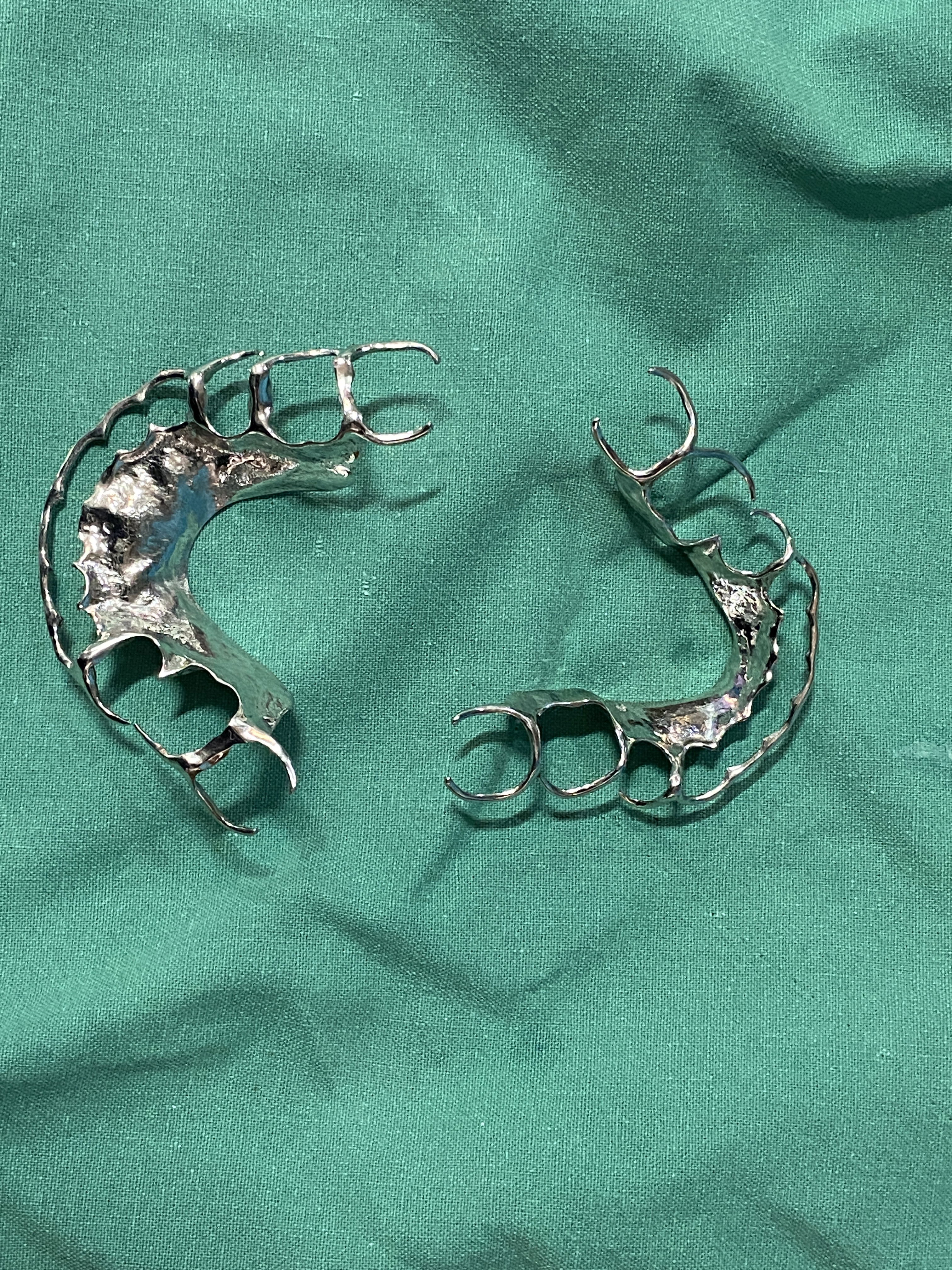
2.1 รีเทนเนอร์แบบเหล็ก - หลายๆแบรนด์เคลมว่าสามารถใส่เคี้ยวอาหารได้
ข้อดีก่อน - งานโครงโลหะ จะเป็นการแบบเป็นโครงเหวี่ยงออกมาเป็นชิ้นเดียว แข็งแรงสูง ล็อคฟันแน่น (ถ้ากำหนดจุดวางตะขอได้เหมาะสมตามความคอดของฟัน)
ข้อเสีย - ราคาแพง ใส่เคี้ยวอาหารไม่ได้นะ (ไม่เหมาะสม มีความเสี่ยงสร้างอันตรายต่อฟัน)
ทำไมถึงไม่แนะนำให้ใส่เคี้ยวอาหาร (แต่สามารถ ทำใส่เป็นเครื่องมือคงสภาพฟันแบบรีเทนเนอร์ลวดทั่วไปได้ โดยอาศัยข้อดีคือล็อคฟันได้แน่น) ธรรมชาติของฟันคนเรา มันจะสามารถขยับได้เล็กน้อยในเบ้ากระดูก เวลาที่เรากัดฟัน เคี้ยวอาหาร ฟันมันมีการขยับ เพื่อกระจายแรง ลดแรงจากการเคี้ยวอาหาร (เพราะแรงจากการกัด มันมากมายมหาศาลมากๆ มากกว่าที่คุณคิด) ดังนั้นเมื่อเราใส่รีเทนเนอร์โลหะที่ล็อคฟันได้แน่น ฟันมันจะขยับไม่ได้มาก เมื่อเรานำไปใช้เคี้ยวอาหาร จะเกิดแรงเครียดกับตัวฟัน จึงเกิดความเสี่ยงต่อการแตกหักของฟันได้มากนั่นเอง
2.2 รีเทนเนอร์แบบลวด หรือ Wrap around Retainers - คนเลือกงานชนิดนี้บ่อยที่สุด เลือกสีได้ ให้ความรู้สึกเหมือนยังมีเหล็กในปาก สามารถดัด ปรับลวดให้แน่นขึ้นได้ ทำความสะอาดง่าย ไม่ส่งกลิ่นเหม็นกรณีใส่นอนกลางคืน เมื่อเทียบกับรีเทนเนอร์แบบครอบใส
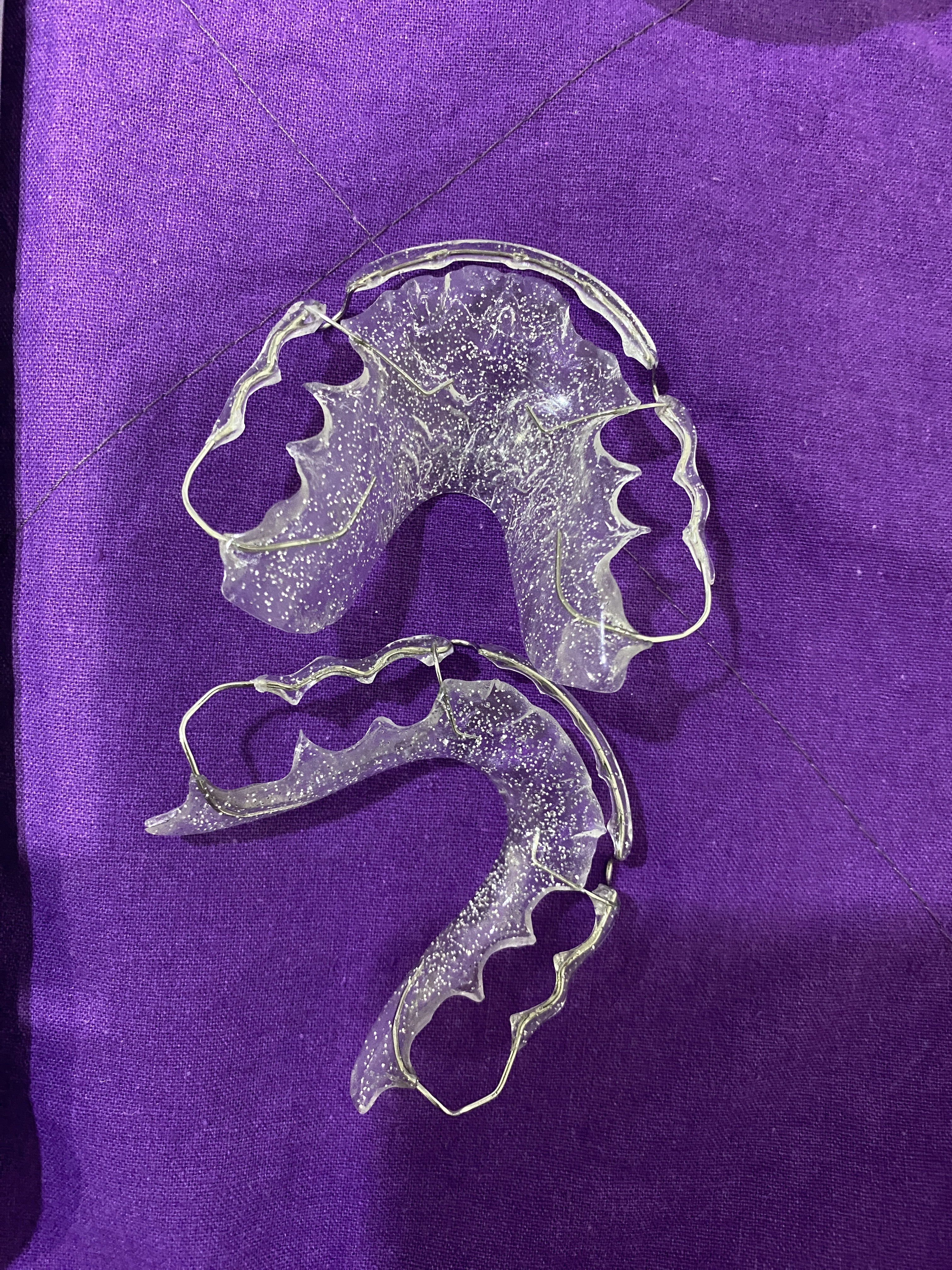
2.3 รีเทนเนอร์แบบครอบใส หรือ Clear Retainers - ชนิดนี้ก็จะคลุมทับด้านบดเคี้ยวของฟัน ไปจนกระทั่งส่วนของคอฟัน ล็อคฟันได้ค่อนข้างแน่น ถ้าไม่ได้ใส่ใช้งานนานๆ จนฟันขยับ จะกลับมาใส่อีกไม่ได้ เพราะแค่ตำแหน่งเปลี่ยนนิดเดียวก็จะใส่ไม่ได้ และไม่สามารถปรับหรือดัดอะไรได้เลย ต้องทำใหม่เท่านั้น และปัญหาที่พบได้บ่อยคือ เรื่องกลิ่นและความสะอาด จะค่อนข้างสะสมทั้งอาหารและคราบน้ำลายใต้ชิ้นงาน ถ้าคนไข้แปรงฟันทำความสะอาดได้ไม่ดี ก็จะเกิดกลิ่น ฟันผุ ได้ง่าย. นอกจากนี้ด้วยความเป็นเนื้อพลาสติก ใช้ไปนานๆ อาจจะมีการเปลี่ยนสี จากคุณสมบัติการดูดสีดูดกลิ่นของอาหารได้ด้วย

สุดท้ายนี้ ไม่ว่าจะเลือกใช้งานเครื่องมือคงสภาพฟันในแบบใด ควรหมั่นดูแลทำความสะอาดชิ้นงาน และช่องปากอย่างสม่ำเสมอ และกลับไปติดตามกับทันตแพทย์ตามระยะทุก 6 เดือน เพื่อคงสภาพการสบฟัน และสุขภาพองค์รวมได้อย่างยาวนาน
Why Do We Need to Wear Retainers?
After orthodontic appliances are removed, the bone and periodontal tissues that support the teeth have not yet fully healed. These supporting structures have been under orthodontic forces for several years. The period required for the periodontal tissues to recover and stabilize the teeth firmly in their new positions is approximately six months.
Therefore, wearing retainers continuously for at least six months is recommended to maintain tooth position and reduce the risk of relapse, which is the tendency for teeth to move back toward their original positions.In some patients—especially those who had significant tooth irregularities before orthodontic treatment, or those with strong tongue pressure—the duration of retainer wear may need to be extended.
Types of Retainers
There are many types of retainers, but they can generally be divided into two main categories: fixed retainers and removable retainers.
1. Fixed Retainers
Fixed retainers consist of a wire bonded to the inner (lingual) surfaces of the teeth, typically extending from one premolar to the other.
They are commonly recommended for patients who are assessed to have a high risk of relapse, especially during the first year after orthodontic treatment.
2. Removable Retainers
There are several types of removable retainers in clinical use (in reality, there are more variations, but they are grouped here for simplicity).
2.1 Metal Framework Retainers
Some brands claim that these retainers can be worn while chewing food.Advantages:
- Made from a single-piece metal framework
- Very strong and durable
- Provides excellent tooth retention when clasps are properly designed and positioned according to tooth anatomy
Disadvantages:
- Higher cost
- Not recommended for chewing food (despite some claims)
Why chewing with metal retainers is not recommended:
Natural teeth are designed to move slightly within the bone during biting and chewing. This micro-movement helps distribute chewing forces and reduce stress, as biting forces are much greater than many people realize.
When a rigid metal retainer tightly locks the teeth, this natural movement is restricted. Chewing with such a retainer can transmit excessive stress to the teeth, increasing the risk of tooth fracture.
However, this type of retainer can still be used effectively as a standard retention appliance, benefiting from its strong tooth-holding ability—just not for chewing.
2.2 Wire Retainers (Wrap-Around Retainers)
This is the most commonly chosen type.
- Available in various colors
- Provides a sensation similar to still having braces
- The wire can be adjusted to improve tightness
- Easy to clean
- Less odor compared with clear retainers, especially when worn at night
2.3 Clear Retainers
Clear retainers cover the biting surfaces of the teeth and extend down to the cervical (neck) areas of the teeth.
- Provide relatively strong retention
- If not worn regularly and teeth shift even slightly, the retainer may no longer fit
- Cannot be adjusted or reshaped—a new retainer must be fabricated if it no longer fits
Common issues:
- Accumulation of food debris and saliva beneath the appliance
- Increased risk of odor and tooth decay if oral hygiene is inadequate
- Made of plastic, which can discolor over time due to absorption of food pigments and odors
Final Advice
Regardless of the type of retainer chosen, it is essential to:
- Maintain excellent oral hygiene
- Clean the retainer regularly
- Attend follow-up dental visits every six months
These practices help maintain stable occlusion, prevent relapse, and support long-term oral and overall health
ขอบคุณที่ติดตามอ่านบทความ คุณหมอกอล์ฟ ทีมเดอะคราวน์