ฟันล่างสบคร่อมฟันบน ร่วมกับฟันบิดเก และโรคเหงือก ในเคสผู้ใหญ่ แก้ได้ไหมนะ? (รีวิวเคส)
เคสตัวอย่างนี้ คนไข้เป็นคนไข้ย้ายเคส จัดฟันมาจากที่อื่น 6-7 ปี
ใช่ครับ ท่านอ่านไม่ผิด คนไข้อยู่กับแบ็คเก็ต และลวด มานาน แน่นอนว่าเคสลักษณะนี้มักเกิดปัญหาโรคปริทันต์ (คือหนักกว่าโรคเหงือกปกติ เริ่มมีฟันโยก เหงือกร่น ร่องเหงือกลึกมากขึ้น ฟันล้มบิดหมุนจากภาวะโรคปริทันต์) ไม่ว่าจะผ่านอะไรมาก็ตาม เราก็แค่เริ่มต้นนับ 1 ใหม่ นั่งอธิบายแผนการรักษาให้คนไข้ทราบ ว่าหมอจะทำอะไรบ้าง คนไข้จะต้องเจอกับอะไรบ้าง ความเสี่ยงที่ต้องเจอ ความสำคัญของการมาตามนัดทุกเดือน และความสำคัญของการไม่มาตามนัด ฟันเขี้ยวด้านซ้ายที่ขึ้นผิดตำแหน่ง ต้องถอนออก กระดูกฝั่งนี้ยุบแน่นอน และฟันตัดหน้าซี่ข้างกระดูกก็จะหายไปด้วย เสี่ยงต่อการเป็นโรคปริทันต์หลังการจัดฟันได้ด้วย
ซึ่งจากการประเมินภาพเอ็กซ์เรย์ ประเมินการสบฟัน ระยะการดึงฟัน พิจารณาว่าสามารถทำให้จบเคสได้ และเริ่มเข้าสู่การรักษา
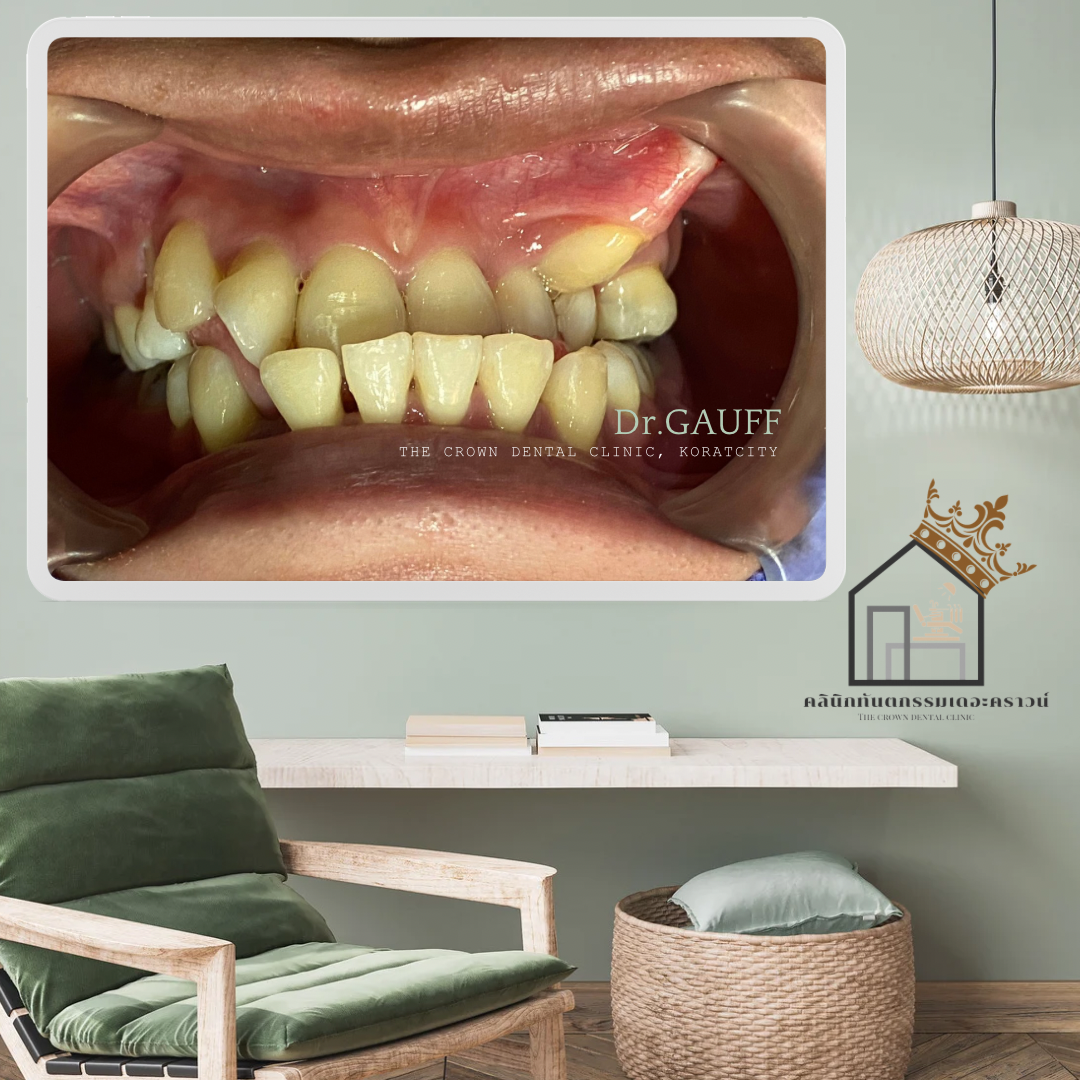
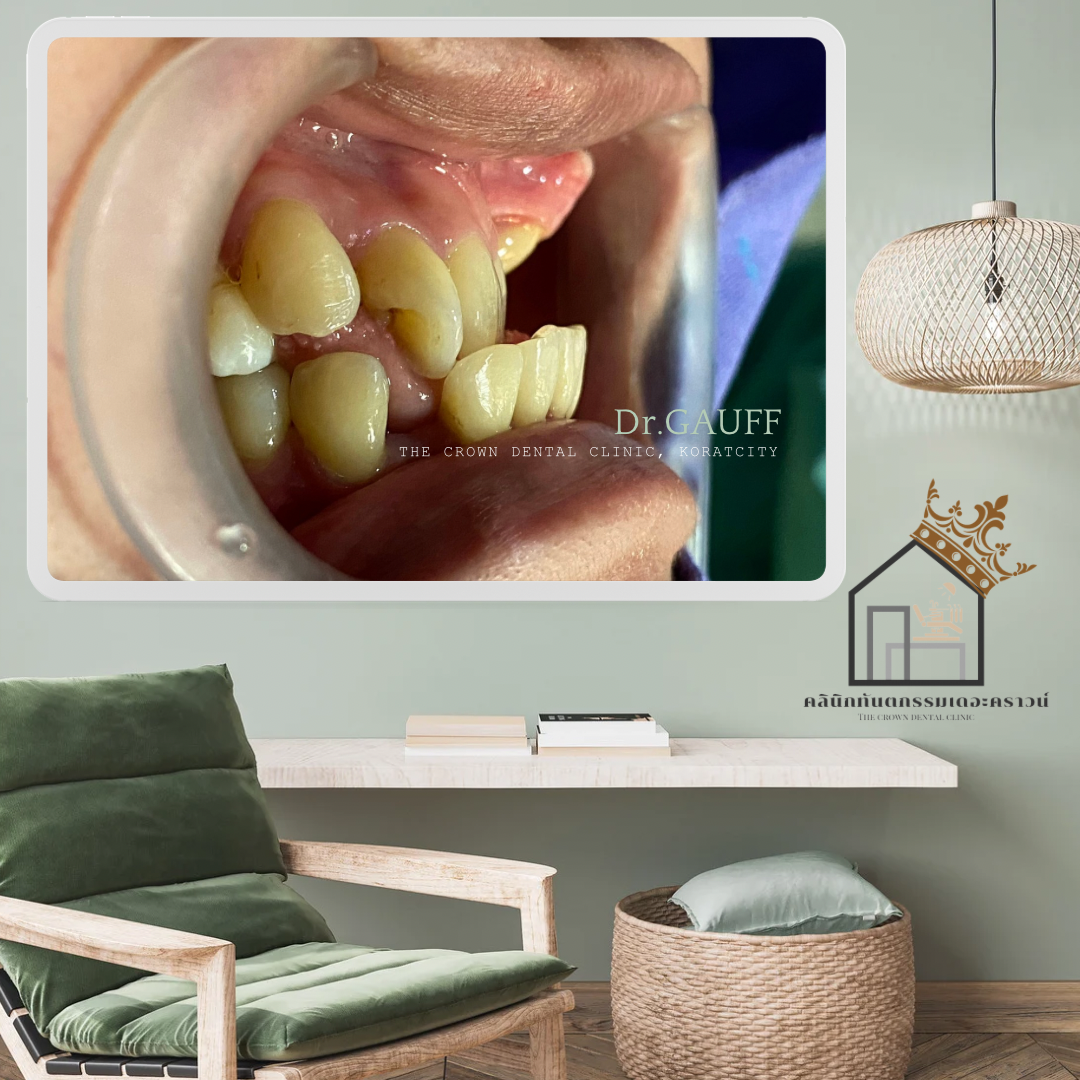
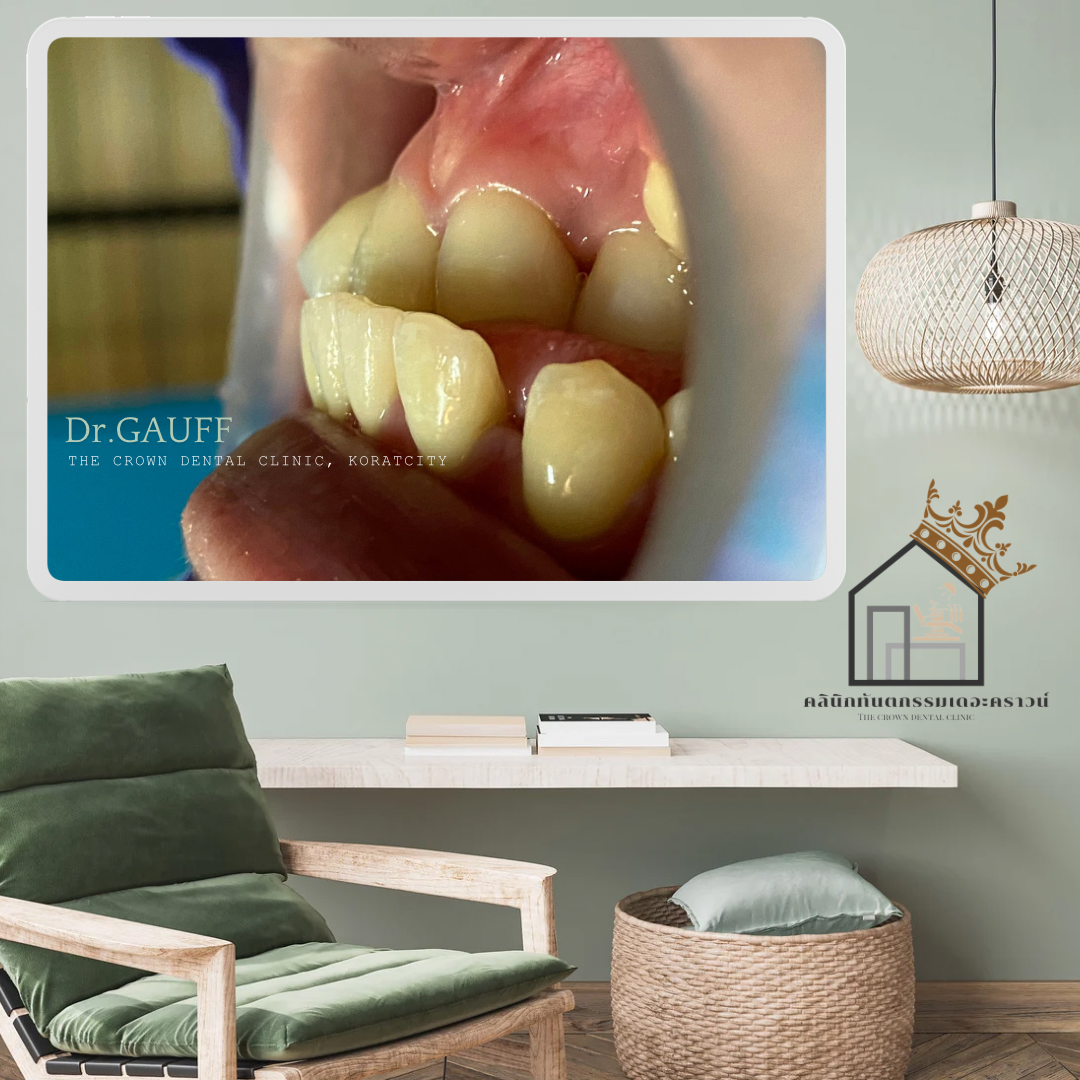
ภายหลังการรักษาเสร็จสิ้น คนไข้พึงพอใจต่อผลการรักษาที่คาดหวังไว้ สามารถเคี้ยวอาหารได้ ปัจจุบันคนไข้อยู่ในระยะการ Maintainence กลับมาเช็คทุก 6 เดือน ตามระยะ ใส่รีเทนเนอร์สม่ำเสมอ ทำความสะอาดฟันได้ดี ซึ่งจากการตรวจสุขภาพช่องปาก แสดงให้เห็นถึงระดับของการเอาใจใส่ช่องปากที่มากขึ้นอย่างเห็นได้ชัด เมื่อเปรียบเทียบกับก่อนเข้ารับการรักษา
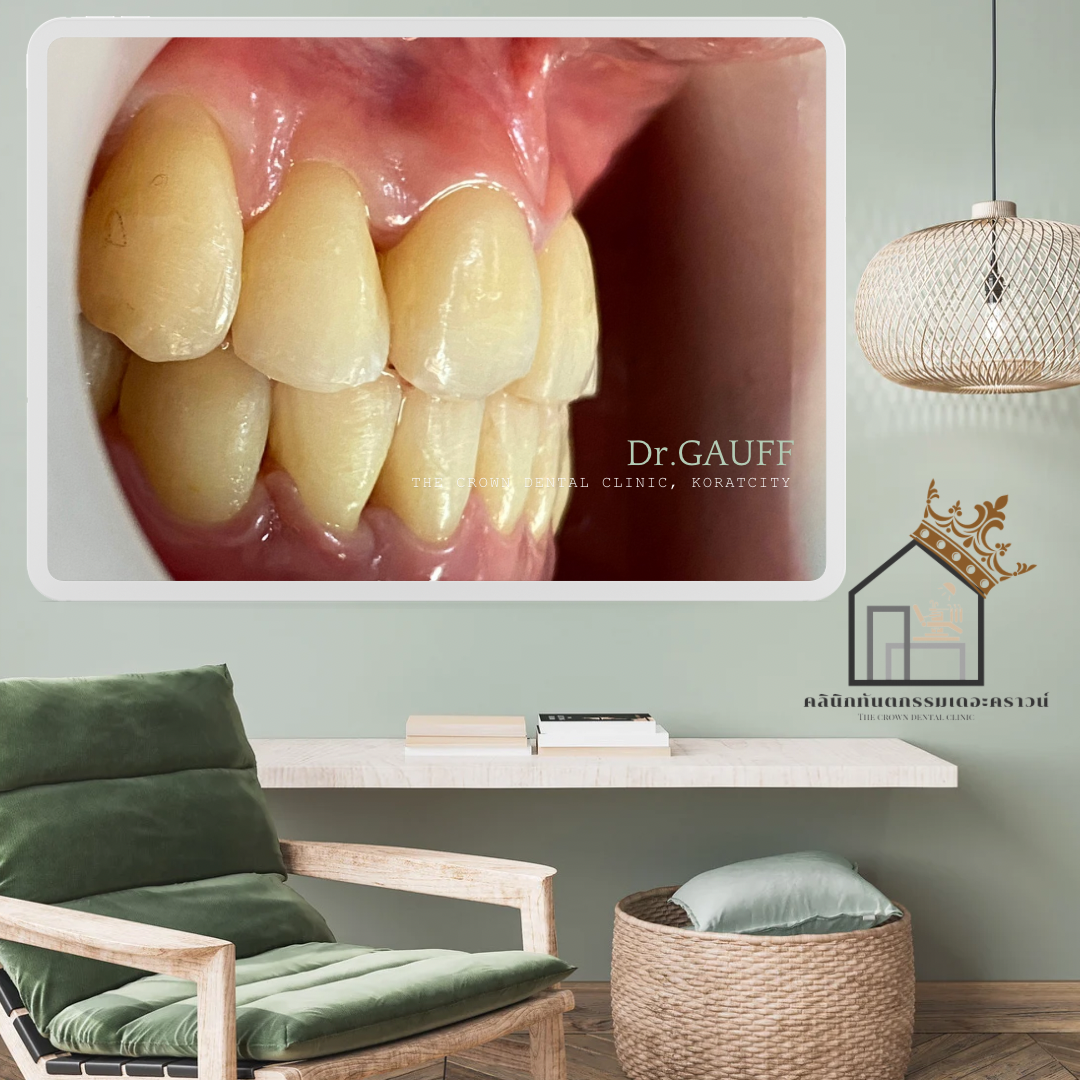
จากการคาดการณ์ตั้งแต่ก่อนการรักษา จะพบว่า บริเวณด้านซ้ายบน ที่ถอนฟันเขี้ยวออกไปนั้น กระดูกบริเวณนี้จะยุบลงไป เมื่อเปรียบเทียบกับกระดูกทางด้านขวา ที่ยังคงมีฟันเขี้ยวอยู่ แต่โดยภาพรวมคนไข้ได้การสบฟันที่ดีกลับมา รักษาฟันที่เหลืออยู่ได้ต่อไป แต่เนื่องด้วยเป็นการแก้ไขการสบฟันที่ผิดปกติค่อนข้างมาก ประกอบกับอายุของคนไข้ หลังการรักษาจะพบภาวะโรคปริทันต์ เช่นเหงือกร่น หรือฟันโยกในระดับ 1-2 ในฟันบางซี่ นอกจากนี้สิ่งสำคัญของเคสนี้ ก่อนการถอดเครื่องมือ คุณหมอได้ให้คนไข้ใช้งานที่ระนาบการสบใหม่ ประมาณ 6 เดือน คนไข้ใช้งาน เคี้ยวอาหารได้ ไม่มีภาวะปวดข้อต่อขากรรไกรใดๆ และภายหลังจากการถอดเครื่องมือ มีการนัดกลับมา เช็คทุก 6 เดือน เพื่อติดตามอาการโรคปริทันต์ และอื่นๆต่อไป
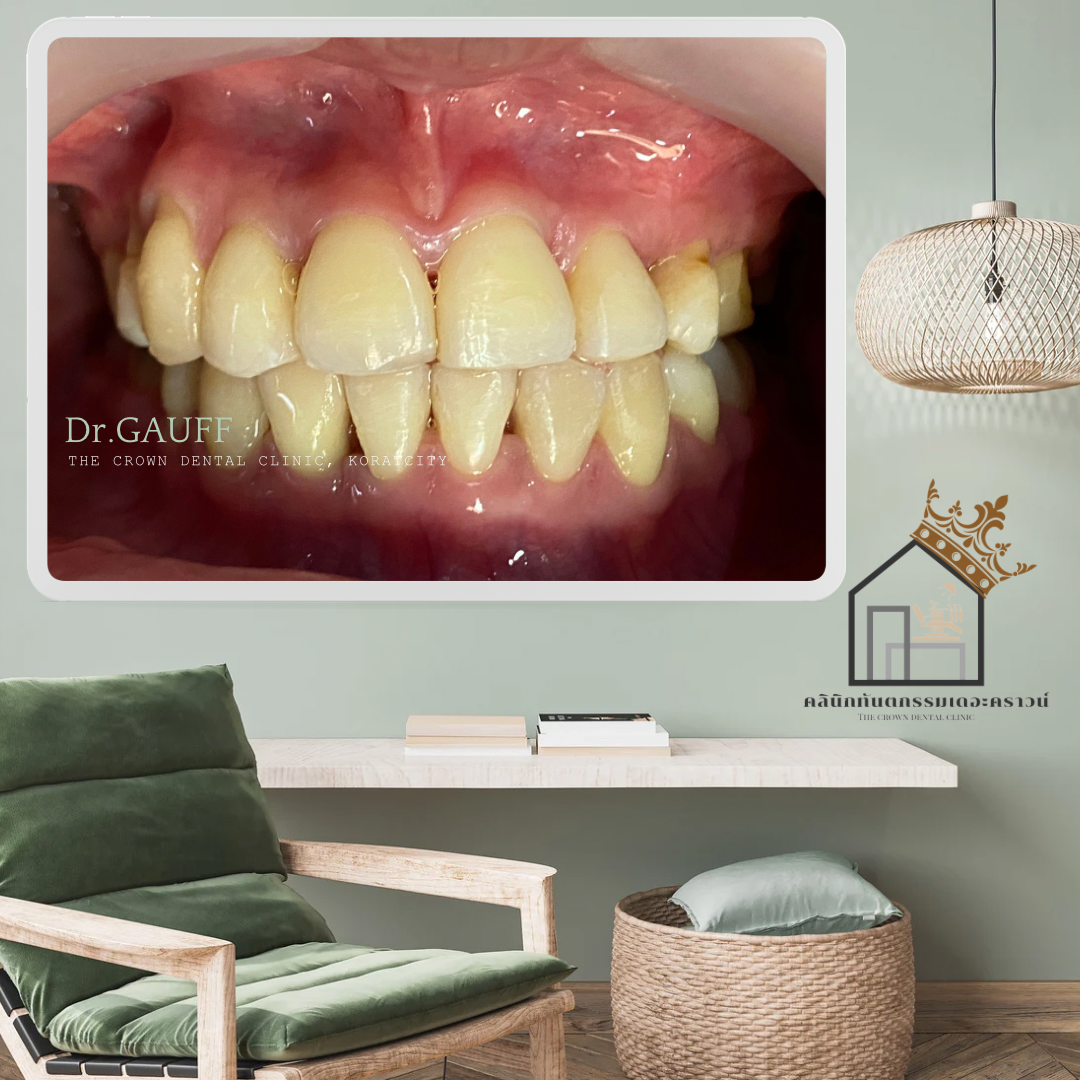
Sample Case Review – The Crown Dental ClinicThis case involved a transferred orthodontic patient who had been undergoing orthodontic treatment at another clinic for 6–7 years.Yes, you read that correctly. The patient had been wearing brackets and archwires for many years. In cases like this, it is common to encounter periodontal problems, which are more severe than simple gingivitis. These may include tooth mobility, gingival recession, increased periodontal pocket depth, and tooth tipping or rotation caused by periodontal disease.Regardless of the past history, the approach was to start again from step one. Time was spent explaining the new treatment plan in detail—what the dentist would do, what the patient might experience, the risks involved, the importance of attending monthly appointments, and the consequences of missed visits.The upper left canine, which had erupted in an abnormal position, required extraction. Bone loss in this area was expected, and the adjacent lateral incisor would also be affected by bone resorption, increasing the risk of periodontal disease after orthodontic treatment.After evaluating the radiographs, occlusion, and the mechanics required for tooth movement, it was determined that the case could be completed successfully, and orthodontic treatment was initiated.
Treatment Outcome and Follow-Up
After completion of treatment, the patient was satisfied with the outcome and able to chew comfortably. The patient is currently in the maintenance phase, returning for follow-up visits every six months, wearing retainers consistently, and maintaining good oral hygiene.Clinical examination shows a marked improvement in oral health awareness and care compared with the patient’s condition prior to treatment.As anticipated during the initial assessment, the upper left area where the canine was extracted showed bone resorption when compared with the right side, where the canine remained present. However, overall, the patient achieved functional and stable occlusion, allowing preservation of the remaining teeth.Given the severity of the original malocclusion and the patient’s age, some residual periodontal findings were expected after treatment, such as mild gingival recession or grade 1–2 tooth mobility in certain teeth.An important aspect of this case was that, before appliance removal, the patient was instructed to function with the new occlusal plane for approximately six months. During this period, the patient was able to chew normally and reported no temporomandibular joint (TMJ) pain.After appliance removal, the patient was scheduled for regular six-month recall visits to monitor periodontal health and overall oral condition on an ongoing basis.
ขอบคุณที่ติดตามอ่านบทความนะครับ : คุณหมอกอล์ฟ คลินิกทันตกรรมเดอะคราวน์โคราช