ย้ายเคสจัดฟันในโคราช
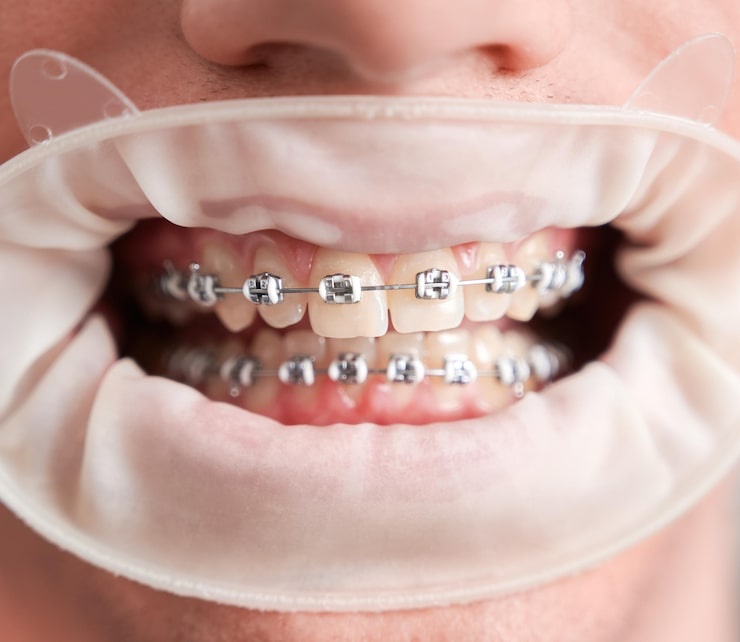
การตัดสินใจเชิงสุขภาพที่ต้องคิดให้รอบ ก่อนจะเปลี่ยนคลินิก
การย้ายเคสจัดฟันไม่ใช่เรื่องเล็ก และไม่ควรเกิดจากอารมณ์ชั่ววูบ
สำหรับผู้ใหญ่และวัยทำงานการจัดฟันคือการลงทุนระยะยาวทั้งในแง่เวลา ค่าใช้จ่าย และสุขภาพช่องปากในอนาคต
เมื่อเริ่มมีคำถามว่า
“ควรย้ายเคสดีไหม”
คำถามที่แท้จริงมักไม่ใช่เรื่องคลินิกแต่คือ ความไม่มั่นใจในทิศทางของการรักษา
บทความนี้เขียนขึ้นเพื่อช่วยให้คุณคิดอย่างเป็นระบบก่อนตัดสินใจย้ายเคสจัดฟันในจังหวัดนครราชสีมา (โคราช)
⸻
1. ทำไมผู้ใหญ่จำนวนมากเริ่มคิดเรื่อง “ย้ายเคส”
จากประสบการณ์ดูแลผู้รับบริการจัดฟันผู้ใหญ่การคิดเรื่องย้ายเคสมักเริ่มจาก “สัญญาณเล็ก ๆ”ไม่ใช่ปัญหาใหญ่ในทันที
สัญญาณที่พบบ่อย ได้แก่ • จัดฟันมาระยะหนึ่ง แต่ไม่เข้าใจว่าฟันกำลังขยับไปเพื่ออะไร • มาพบแพทย์ตามนัด แต่ไม่ได้รับคำอธิบายที่ชัดเจน • รู้สึกว่าระยะเวลายืดออกไปเรื่อย ๆ โดยไม่มีภาพรวม • เริ่มกังวลว่า หากปล่อยต่อไปจะเสียเวลาโดยไม่จำเป็น
ในผู้ใหญ่ ความกังวลเหล่านี้จะสะสมจนกลายเป็นคำถามว่า
“หรือเราควรเปลี่ยนที่รักษา”
⸻
2. ฟันไม่ขยับ = ควรย้ายเคส จริงหรือไม่
หนึ่งในเหตุผลที่ถูกกล่าวถึงมากที่สุดคือ
“จัดฟันแล้วฟันไม่ค่อยขยับ”
แต่ในทางคลินิกคำว่า “ไม่ขยับ” อาจหมายถึงหลายสถานการณ์
ในบางกรณีฟันกำลังอยู่ในช่วง เตรียมระบบเช่น การปรับแรง การจัดตำแหน่งฟันบางซี่เพื่อรองรับการเคลื่อนหลักในระยะถัดไป
ในผู้ใหญ่กระดูกขากรรไกรไม่มีการเจริญเติบโตแล้วการเคลื่อนฟันจึงต้องทำอย่างระมัดระวังและอาจดูช้ากว่าที่คาดหวัง
ดังนั้นฟันไม่ขยับ ไม่จำเป็นต้องแปลว่าแผนผิดแต่จำเป็นต้องมี คำอธิบายที่ชัดเจน
(สามารถอ่านการอธิบายเชิงลึกได้ในบทความ👉 จัดฟันแล้วฟันไม่ขยับ เกิดจากอะไร)
⸻
3. ย้ายเคสจัดฟัน = เริ่มใหม่ทั้งหมดหรือไม่
ความเข้าใจผิดที่พบบ่อยคือการย้ายเคส = เริ่มต้นใหม่ทั้งหมด
ในความเป็นจริงการย้ายเคสคือการ รับช่วงต่อจากสิ่งที่เกิดขึ้นแล้ว
สิ่งที่ต้องถูกประเมินใหม่ ได้แก่ • แผนการรักษาเดิมทำอะไรไปแล้ว • ฟันและเหงือกตอบสนองต่อแรงอย่างไร • มีผลข้างเคียงหรือข้อจำกัดใดเกิดขึ้นหรือไม่
การย้ายเคสที่ดีจึงไม่ใช่การลบอดีตแต่คือการ ทำความเข้าใจอดีตอย่างเป็นธรรม
⸻
4. ความเสี่ยงของการย้ายเคสที่ควรพิจารณาอย่างจริงจัง
การย้ายเคสจัดฟันมีความเสี่ยงซึ่งควรถูกพูดถึงอย่างตรงไปตรงมา
4.1 ข้อมูลการรักษาเดิมไม่ครบ
หากไม่มีแผนเดิม ภาพถ่าย หรือเอกซเรย์การประเมินใหม่อาจใช้เวลาและต้องอาศัยความระมัดระวังมากขึ้น
4.2 แนวคิดการรักษาอาจแตกต่าง
ทันตแพทย์แต่ละคนมีแนวคิดไม่เหมือนกันการเปลี่ยนแนวคิดต้องมีช่วงปรับตัวไม่ใช่ทุกเคสที่จะ “เดินต่อได้ทันที”
4.3 ระยะเวลารวมอาจยาวขึ้น
การย้ายเคสไม่ได้หมายความว่าจะเร็วขึ้นในบางกรณี อาจต้องใช้เวลามากขึ้นเพื่อความปลอดภัย
⸻
5. คำถามที่ควรถามก่อนตัดสินใจย้ายเคส
ก่อนตัดสินใจย้ายเคสคำถามเหล่านี้ควรได้รับคำตอบที่ชัดเจน • ปัญหาที่เกิดขึ้น แก้ได้หรือไม่ • แผนการรักษาต่อจากนี้คืออะไร • มีความเสี่ยงเพิ่มเติมจากเคสเดิมหรือไม่ • ระยะเวลาที่เหลือควรคาดหวังอย่างสมเหตุสมผลเท่าใด
คลินิกที่เหมาะสมกับการรับย้ายเคสควร กล้าพูดถึงข้อจำกัดไม่ใช่เพียงสัญญาว่าจะทำให้ดีขึ้นหรือเร็วขึ้น
⸻
6. ใคร “เหมาะ” กับการย้ายเคสจัดฟัน
การย้ายเคสอาจเหมาะในกรณีที่ • ผู้รับบริการไม่เข้าใจแผนการรักษาเลย • ไม่มีการอธิบายทิศทางหรือความคืบหน้า • มีการเปลี่ยนที่อยู่อาศัยหรือบริบทชีวิตอย่างชัดเจน • ความเชื่อมั่นต่อการดูแลระยะยาวหายไปแล้ว
ในกรณีเหล่านี้การประเมินใหม่อย่างเป็นระบบอาจช่วยลดความเสี่ยงในระยะยาว
⸻
7. เป้าหมายที่ควรคาดหวังหลังการย้ายเคส
การย้ายเคสที่ดีไม่ควรทำให้คุณ “คาดหวังมากขึ้น”แต่ควรทำให้คุณ เข้าใจมากขึ้น
เป้าหมายที่เหมาะสมคือ • เข้าใจว่าแผนการรักษาคืออะไร • รู้ว่าข้อจำกัดอยู่ตรงไหน • มั่นใจว่าการตัดสินใจครั้งนี้ไม่สร้างปัญหาใหม่ในอนาคต
⸻
8. มุมมองการดูแลต่อการย้ายเคส
ในมุมมองของThe Crown Dental Clinicการรับย้ายเคสจัดฟันไม่ใช่การตัดสินว่าใครถูกหรือผิด
แต่คือการประเมินสิ่งที่เกิดขึ้นอย่างรอบคอบและวางแผนต่อโดยคำนึงถึงสุขภาพฟัน เหงือก และคุณภาพชีวิตในระยะยาว
⸻
สรุป: ย้ายเคสจัดฟัน คือการตัดสินใจเชิงคุณภาพ
การย้ายเคสจัดฟันในโคราชควรเป็นการตัดสินใจที่เกิดจากความเข้าใจไม่ใช่ความกังวลเพียงชั่วคราว
การให้เวลากับการอธิบายการตั้งคำถามที่ถูกต้องและการเลือกแนวทางที่เหมาะกับตนเองคือการปกป้องสุขภาพช่องปากของคุณในระยะยาว
Health-Based Decisions That Must Be Considered Carefully Before Switching Clinics
Transferring an orthodontic case
is not a small matter — and should never be driven by impulse.For adults and working professionals,
orthodontic treatment is a long-term investment —
in time, cost, and future oral health.When the question arises:“Should I transfer my case?”The real concern is often not about the clinic itself,
but rather a lack of confidence in the direction of treatment.This article is written to help you
think systematically
before deciding to transfer your orthodontic case in Nakhon Ratchasima (Korat).
1. Why Many Adults Start Considering a Case Transfer
From our experience caring for adult orthodontic patients,
the thought of transferring usually begins with small signals —
not sudden major problems.Common early signals include:
• Being in treatment for some time, yet not understanding the direction of tooth movement
• Attending appointments but not receiving clear explanations
• Feeling that the timeline keeps extending without a clear overall picture
• Worrying that continuing as is might waste unnecessary timeFor adults, these concerns gradually accumulate
until they form the question:“Maybe I should switch clinics?”
2. Teeth Not Moving = Should You Transfer?
One of the most commonly cited reasons is:“My teeth aren’t really moving.”Clinically speaking,
“not moving” can refer to several situations.In some cases,
your teeth may currently be in a preparation phase —
such as force adjustments or positioning certain teeth
to support major movement in the next stage.For adults,
jawbone growth has already stopped,
so tooth movement must be performed carefully —
and may appear slower than expected.Therefore,
“no movement” does not automatically mean the treatment plan is wrong —
but it does require a clear explanation.(You may read more in the article:
👉 Why teeth don’t move during orthodontics)
3. Does Transferring Mean Starting Over?
A common misconception is:
Transferring a case = starting from zero.In reality,
a transfer means continuing from what has already been done.What must be reassessed includes:
• What has the original treatment plan already addressed
• How the teeth and gums have responded to force
• Whether any side effects or limitations have occurredA proper case transfer
is not about erasing the past,
but understanding it fairly and accurately.
4. Risks of Transferring That Must Be Taken Seriously
Orthodontic case transfer involves risks —
and these should be discussed openly.4.1 Incomplete previous treatment data
If the original plan, photographs, or X-rays are missing,
re-evaluation may take more time
and require extra caution.4.2 Different treatment philosophies
Every orthodontist works with different concepts.
Adjusting to a new philosophy takes time —
and not every case can “continue immediately.”4.3 Total treatment time may increase
A transfer does not guarantee faster results.
In some cases, it may take longer for safety.
5. Questions to Ask Before Transferring
Before deciding to transfer your case,
you should clearly know the answers to:• Can the current issues be resolved?
• What is the continued treatment plan from here?
• Are there added risks due to past treatment?
• What is a realistic timeline moving forward?A clinic suitable for transfers
should be willing to speak honestly about limitations —
not merely promise better or faster results.
6. Who Is “Suitable” for Transferring Their Orthodontic Case?
Transferring may be appropriate when:
• You have no understanding of the treatment plan
• There is no explanation of progress or direction
• Your living situation or life context has significantly changed
• Long-term confidence in the care has disappearedIn these situations,
a systematic reassessment
may help reduce long-term risk.
7. What Should You Expect After Transferring?
A good case transfer
should not make you expect more —
but make you understand more.Reasonable expectations include:
• Understanding the actual treatment plan
• Knowing clearly where limitations exist
• Feeling confident that this decision
will not create future complications
8. A Care Perspective on Case Transfer
From the perspective of
The Crown Dental Clinic,
accepting a transferred orthodontic case
is not about deciding who is right or wrong.It is about carefully evaluating what has happened
and planning the next steps
with consideration for
long-term tooth health, gum condition,
and overall quality of life.
Conclusion: Transferring an Orthodontic Case Is a Quality-Based Decision
Transferring orthodontic treatment in Korat
should be a decision made through understanding —
not temporary anxiety.Giving time for proper explanation,
asking the right questions,
and choosing a path aligned with your needs —
is how you protect your long-term oral health.